Trusted Frequent Flyer Programs With Everyday Earning From Groceries To Gas
Trusted Frequent Flyer Programs With Everyday Earning From Groceries To Gas
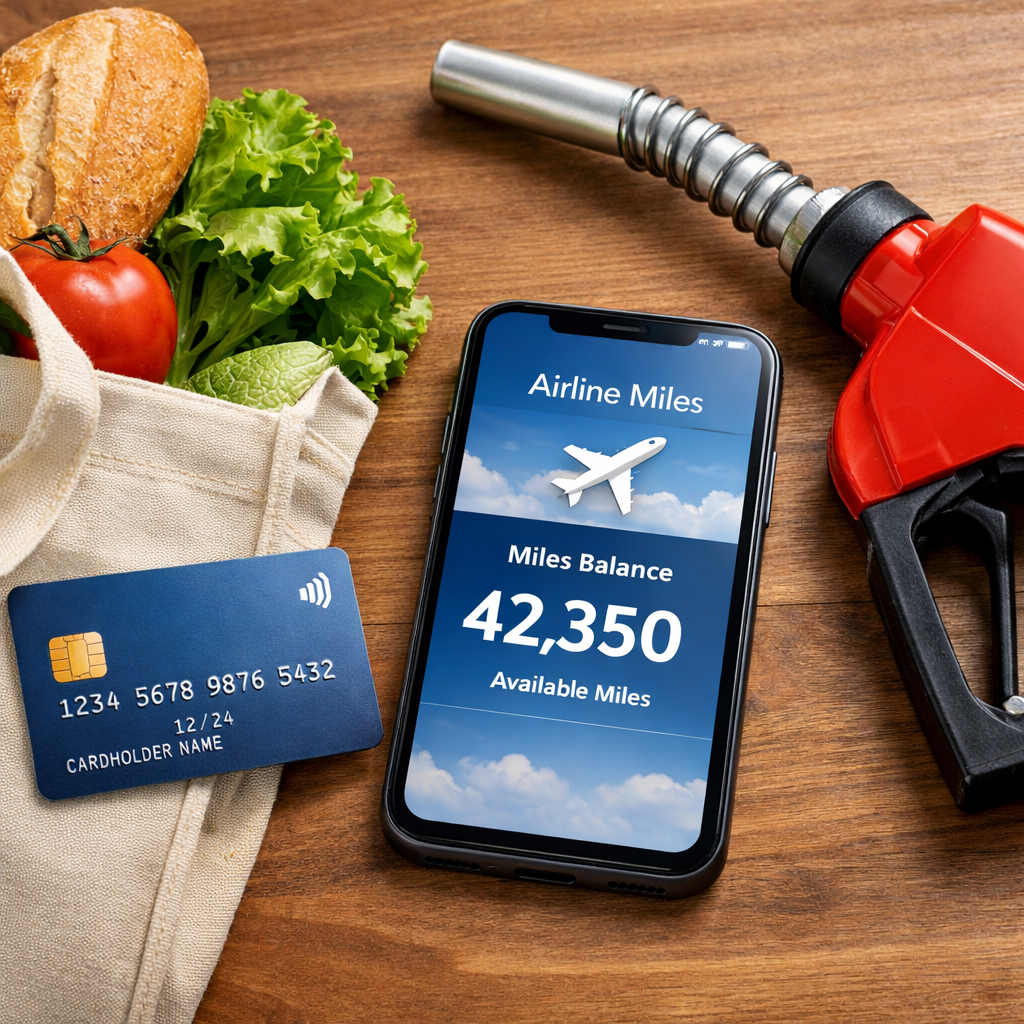
Turning routine spend into real flights is the fastest way to trust a frequent flyer program. The best programs let you earn from groceries, gas, dining, and online shopping portals and redeem those miles for seats you’ll actually take. Below, Points and Perks Guide maps everyday earning to reliable redemptions and shows you where to sign up with confidence. If you only skim: pick a program aligned to your home airport, feed it with everyday categories (often via a transferable points card), and run a quick redemption test before committing. Our picks and playbook below highlight trusted frequent flyer programs with everyday earning you can put to work in weeks, not months.
Why everyday earning builds trust
Everyday earning means converting routine purchases at supermarkets, fuel stations, restaurants, and common merchants into airline miles or points you can redeem for travel within weeks, not months. This “earn where you live” approach builds credibility because it delivers visible progress between trips.
Two consumer trends make this essential. First, deal-seeking is up: roughly 4 in 10 Americans display trade-down or promotion-driven behaviors, increasing the need for tangible value beyond sticker price, according to Deloitte research on loyalty program shifts. Second, rising living costs push shoppers toward fuel discounts and grocery rewards, which, when transparent and easy to redeem, reduce skepticism toward points programs, a dynamic highlighted in UNSW BusinessThink’s analysis of loyalty transparency.
Trust rides on three things: transparency (clear point valuations and simple rules), ubiquity (you can earn in the places you already shop), and ease (clean redemption flows without gotchas). Opaque expirations and intrusive targeting erode that trust fast, so programs with clear terms and simple, predictable redemptions win. Points and Perks Guide prioritizes programs that deliver on transparency, ubiquity, and ease.
How to choose a program you can actually use
Start with a quick, four-step filter that matches where you live and how you spend.
| What to compare | What to check | Why it matters | Quick action |
|---|---|---|---|
| Home airport coverage | Who dominates your airport, nonstop routes you actually fly | Better award availability and fee policies on your real trips | List top 2 airlines from your airport |
| Grocery/gas earn options | Card category multipliers, dining/portal partners, local fuel programs | Turns everyday categories into fast miles | Audit your monthly groceries, gas, dining, and portal-friendly retail |
| Partner networks | Alliances and non-alliance partners you’ll book | Expands award options and protects against devaluations | Note key partners you value (domestic and international) |
| Redemption friction | Dynamic pricing volatility, blackout patterns, fees | Determines the real cents-per-point you’ll see | Price 3 routes over 90 days to sanity-check value |
Point valuation is the realistic cash-equivalent value of a point or mile (for example, 1.3¢), used to compare earnings across programs and avoid hoarding devaluing assets. Programs that explain how rewards are funded—via unsold seats and merchant-funded portal/dining commissions—signal alignment and build trust, as discussed in UNSW’s loyalty analysis.
Frustrations are real: many travelers feel programs are worsening; one analysis found 82% of hotel loyalty members report issues, with 28% citing fast expirations and 24% blackout limits—clear signals to scrutinize airline terms and redemption paths before you invest time and spend. We use this lens in our recommendations so you can see value quickly.
Points and Perks Guide quick-start picks
- Big grocery spender at hub airports: Pair a strong grocery-category card that earns transferable points with the dominant airline at your hub for redemptions. Note: many airlines now base rewards on dollars spent, not miles flown, so everyday earn matters even more for total value.
- Daily commuter driving >50 miles: Use hybrid setups that integrate gas station loyalty plus a category-bonus card and, when available, a rewards app to capture fuel and convenience-store purchases. Hybrid loyalty (card + app) reaches broader behaviors and age groups.
- Occasional traveler seeking simplicity: Favor programs with clear point-to-dollar mappings and instant-value partners so you can earn, price, and redeem without guesswork.
These picks reflect our bias toward fast, repeatable value.
| Program | Everyday Earn Channel(s) | Transfer Partners | Redemption Ease |
|---|---|---|---|
| American AAdvantage | Shopping/dining portals, co-branded cards via issuer categories | Limited direct bank options; hotel transfers | Medium |
| United MileagePlus | Shopping/dining portals, co-branded and bank-category cards | Chase Ultimate Rewards | Medium |
| Delta SkyMiles | Shopping/dining portals, issuer-category cards | Amex Membership Rewards | Medium |
| Alaska Mileage Plan | Shopping/dining portals, co-branded and general spend | Select hotel partners; indirect via transferable through partners | Medium |
| Southwest Rapid Rewards | Shopping/dining portals, issuer-category cards | Chase Ultimate Rewards | High |
| JetBlue TrueBlue | Shopping/dining portals, issuer-category cards | Amex, Chase, Capital One (varies by offer) | High |
| Air Canada Aeroplan | Shopping portal, in-region retail partners | Amex, Chase, Capital One | Medium |
| British Airways Executive Club (Avios) | Shopping portals, transferable points | Amex, Chase, Capital One | Medium |
Tip: Check portal bonuses before big purchases with shopping portal rate checks to accelerate earnings.
American Airlines AAdvantage
AAdvantage makes everyday earning straightforward through its online shopping and dining portals plus co-branded cards that can reward your grocery, gas, and dining spend via issuer category bonuses. The program’s size and oneworld reach give broad redemption options from major U.S. hubs.
Trust context: Simple earn-and-burn flows and transparent pricing windows help; opaque expirations and overly aggressive targeting, by contrast, reduce perceived fairness. Prioritize clean statements and clear redemption steps.
Use if:
- You fly American and oneworld partners regularly.
- You find strong merchants on the AAdvantage shopping and dining portals.
- You’re comfortable with dynamic pricing and can shop flexible dates.
Pros:
- Extensive U.S. hub presence and oneworld access.
- Reliable shopping and dining portals for steady everyday earn.
- Competitive off-peak and partner options with planning.
Cons:
- Dynamic pricing can swing values.
- Limited direct bank transfer options reduce flexibility.
- Popular routes can see tight award space at low prices.
Sign up: American Airlines AAdvantage.
United MileagePlus
MileagePlus suits travelers near United hubs and those who want strong shopping/dining portal coverage plus bank ecosystem options. Like peers, United has shifted toward revenue-based accrual for flights, making everyday categories and portals key to growing balances.
Redemption sanity: Before committing, check award availability on your top routes and note any blackout-style scarcity and fees—travelers increasingly cite expirations and availability issues as pain points, so validating routes upfront helps avoid frustration.
MileagePlus vs. AAdvantage (quick compare)
| Feature | United MileagePlus | American AAdvantage |
|---|---|---|
| Shopping/dining portals | Strong coverage | Strong coverage |
| Partner breadth | Star Alliance + numerous non-alliance partners | oneworld + select partners |
| Ease (pricing predictability) | Medium; dynamic | Medium; dynamic |
Sign up: United MileagePlus.
Delta SkyMiles
For everyday earners in Delta hub cities, SkyMiles is compelling thanks to robust shopping/dining portals and issuer-category bonuses that turn groceries and dining into steady miles. Travelers increasingly value personalization—68% prefer personalized experiences over pure points, and that jumps to 83% for Gen Z—so Delta’s dynamic model can appeal when you’re flexible.
Dynamic pricing means fares and award prices adjust to supply and demand without fixed charts, creating variability but occasionally unlocking off-peak bargains.
Quick test:
- Pick 3 target routes (including one international).
- Price awards for three departure windows over the next 90 days.
- Average points and fees to get a working cents-per-point.
- Compare to your grocery/gas/dining earn rate.
- Proceed only if value meets your target.
Sign up: Delta SkyMiles.
Alaska Airlines Mileage Plan
Mileage Plan is a standout for West Coast flyers and partner hunters who value high-quality partner redemptions. Everyday earn comes via Alaska’s shopping/dining portals and compatible card categories; the draw is often in partner sweet spots and fair change/cancel policies.
Checklist:
- Base earning: Confirm portal merchants you actually use.
- Partner sweet spots: Identify 2–3 routes/partners that reliably price well.
- Flexibility: Favor itineraries with friendly change/cancel terms.
Tip: Set a cents-per-mile target and redeem when your valuation is met; avoid hoarding during periods of award inflation.
Sign up: Alaska Airlines Mileage Plan.
Southwest Rapid Rewards
Rapid Rewards is built for simplicity. Points are tied to the cash price, making the value of your everyday earning highly predictable. With portals, dining, and issuer-category bonuses, you can translate groceries and gas into flights with minimal friction—an appealing fit for value-seeking consumers who want immediate, cash-like clarity.
Revenue-based redemption ties the number of points required to the cash fare, increasing predictability but limiting outsized premium-cabin arbitrage.
Family traveler highlights: No change fees, two free checked bags on Southwest-operated flights, and consistent pricing mechanics make planning easier.
Sign up: Southwest Rapid Rewards.
JetBlue TrueBlue
TrueBlue rewards East Coast flyers with transparent, revenue-linked pricing and easy everyday earn through portals and issuer-category bonuses. A hybrid delivery model—app engagement plus card spend—helps more members capture value without overthinking categories.
Tip: Run a grocery-to-flight test. If you spend $600/month at supermarkets and average 3–4 points per dollar with stacking, you could build 2,000–2,500 points monthly; at typical revenue-linked rates, that might cover a short off-peak hop in a few months.
Best for: Travelers who want clean earn-and-burn math, strong coverage along the East Coast and Caribbean, and minimal award chart homework.
Sign up: JetBlue TrueBlue.
Air Canada Aeroplan
Aeroplan excels for everyday earners who value partner breadth, family sharing, and cross-border optionality. Beyond the Aeroplan eStore shopping portal, regional retail tie-ins and frequent-transfer partnerships make it easy to build balances from daily spend, then redeem across Star Alliance and non-alliance partners with clear distance-based bands on many routes.
Pros:
- Broadest partner web in North America plus family pooling.
- Multiple transferable ecosystems for flexible top-ups.
- Transparent award structures on many partner routes.
Cons:
- Some partners levy surcharges; always price end-to-end.
- Popular long-haul premium cabins can be competitive.
Cross-border value: U.S. travelers near Canadian gateways can unlock additional award options and often lower taxes/fees than departing certain U.S. airports.
Sign up: Air Canada Aeroplan.
British Airways Executive Club
Executive Club’s Avios shine on short-haul and partner sweet spots thanks to distance-based pricing, often beating region-based programs on sub-1,150-mile flights. Everyday earn is easy via shopping portals and major transferable points.
Avoid pitfalls:
- Price long-haul carefully; taxes and fees can be high.
- Watch for scarcity around peak events and holidays.
Quick calculator example: If you earn ~2,500 Avios/month from groceries and gas stacking, you could reach 7,500–9,000 Avios in 3–4 months—often enough for a one-way NYC–BOS or similar short-haul partner flight on off-peak dates, subject to availability.
Sign up: British Airways Executive Club.
Everyday earning playbook across programs
Stack smart and track value. Here’s a reusable framework.
| Category | Best Earning Mechanism | Stacking Options | Monthly Mile Estimate |
|---|---|---|---|
| Groceries | 4–6x transferable points grocery card | Store loyalty + targeted card offers + grocery pickup via shopping portal (where eligible) | 1,500–4,000 (on $400–$800 spend) |
| Gas | 3–5x category card + fuel program | Fuel-station app + in-store promos + card offers | 600–1,800 (on $200–$400 spend) |
| Dining | 3–5x dining card + airline dining portal | Card-linked dining + targeted offers | 450–1,500 (on $150–$300 spend) |
| Online retail | Shopping portal + general 2–3x card | Portal bonus + coupon code + card offers | 500–3,000 (seasonal purchases) |
Stacking is combining multiple rewards layers (store loyalty, card category bonus, shopping or dining portal) on a single purchase to multiply value. At Points and Perks Guide, we favor simple stacks you can repeat weekly.
Groceries
- Step flow:
- Check the shopping portal for pickup/delivery bonuses.
- Add targeted offers in your card/app.
- Pay with your best grocery bonus card.
- Track miles weekly and set a monthly redemption goal.
- As living costs rise, aim for tangible value: prioritize clean, repeatable stacks that you can execute every week.
- Caution: Don’t hoard. Monitor your dollar-equivalent valuation and redeem when your target is met.
Gas and convenience
- Hybrid approach: pair a fuel-station loyalty account (points-per-gallon, digital punch cards) with a category-bonus card; this hybrid model engages broader demographics and captures in-store add-ons.
- Examples: Points-per-gallon plus digital punch cards convert fuel visits to store sales; one loyalty-enabled brand saw 20% of sales shift online, and another built 6,000+ members in just over a year—evidence that well-run fuel programs move the needle.
- Sustainability note: The Upside platform cites offsetting 3.8 million metric tons of CO2 since 2016 and rescuing 2.5 million pounds of food in 2021; its model emphasizes paying only when value is proven.
Dining and shopping portals
- How to use: Enroll, link eligible cards, search the merchant, click through the portal to the retailer, save any offer, complete the purchase.
- A shopping portal is an online directory that awards extra miles when you start your purchase through the portal link before buying at the retailer’s site.
- Reminder: Keep an eye on expirations and peak-date scarcity—members frequently cite expirations and blackout-style limits as top frustrations. Compare rates before checkout with shopping portal rate checks.
Transferable points ecosystems
Transferable points can beat single-airline earning for everyday spenders by providing optionality, partner coverage, and insurance against devaluations—especially as more airlines move to revenue-based accrual for flights. Transferable points are bank-issued rewards that can be moved to multiple airline or hotel partners, letting you pick the best redemption later for more consistent value. Points and Perks Guide generally recommends starting with a transferable ecosystem unless you’re fully committed to one airline.
| Ecosystem | Typical Everyday Categories | Example Airline Partners |
|---|---|---|
| American Express Membership Rewards | Groceries (select cards), dining, online retail | Delta, Air Canada Aeroplan, British Airways Avios |
| Chase Ultimate Rewards | Groceries (select cards), dining, travel | United, Southwest, Air Canada Aeroplan |
| Capital One Miles | Groceries (select cards), dining, general spend | Air Canada Aeroplan, British Airways Avios, Air France–KLM Flying Blue |
Redemption sanity check before you commit
- List 3 target routes you’ll fly in the next 6–12 months.
- Search award space for three separate date ranges (include a weekend and a shoulder period).
- Record average points required and total fees/taxes.
- Estimate months-to-award from your grocery, gas, dining, and portal earnings.
- Decide go/no-go; if value is weak or scarce, pivot to a more flexible ecosystem.
Baseline reality: Member frustrations are widespread; use that lens to pressure-test award space, blackout patterns, and dynamic pricing before you sink time into any program. This is the same sanity check we run before recommending a path.
Protect your value against devaluations
- Redeem regularly and avoid large idle balances.
- Diversify via transferable ecosystems and track cents-per-point against a personal baseline.
- Follow regulatory signals: in recent years, U.S. and international watchdogs have scrutinized reward practices, reflecting momentum toward transparency—another reason to prefer clear, member-friendly programs.
Devaluation is when a program raises award prices or reduces benefits, lowering the purchasing power of your points without increasing your balance.
Privacy, transparency, and program rules to verify
Loyalty data powers personalization at scale but can backfire if targeting feels intrusive or rules are opaque. Before enrolling, confirm that the program’s privacy controls, communications frequency, and terms align with your comfort level. Points and Perks Guide views clear, plain-English terms as table stakes.
Rules checklist:
- Point expiration timeline and what activity resets the clock.
- Blackout restrictions and how seat inventory controls work.
- Point-to-dollar mapping clarity and a plain-English explanation of how rewards are funded.
Five-minute decision flow to sign up today
- Confirm your home airport and top two airlines you actually fly.
- Tally monthly groceries, gas, dining, and portal-friendly shopping.
- Choose the program with the best everyday earn options and reliable redemption on your routes.
- Enroll in dining and shopping portals; add a hybrid fuel app plus a category-bonus card when available.
- Set a value target (¢/point) and a 90-day redemption goal; avoid hoarding.
CTAs to move now: Join [Program] free, Activate Shopping Portal, Link Cards, Set Value Target (¢/point).
Helpful next reads from Points and Perks Guide: see our transferable-points guide and issuer ecosystem guides for expert-vetted picks.
Frequently asked questions
Which frequent flyer program is best for everyday spending?
Pair your home airline network with strong grocery, gas, dining, and portal earn. Points and Perks Guide generally recommends earning transferable points daily, then transferring to the airline with award space on your routes.
Do miles from everyday purchases expire?
Most major programs keep miles active with qualifying activity like portal shopping or dining. Points and Perks Guide suggests setting a quarterly reminder to trigger activity and avoid expirations.
Can I stack grocery or gas rewards with airline miles?
Yes—combine store loyalty, a category-bonus credit card, and an airline shopping or dining portal when eligible. Points and Perks Guide’s playbook focuses on simple, repeatable stacks.
Should I use a transferable points card or a co-branded airline card?
Transferable points usually win for everyday categories and flexibility, while co-branded cards shine if you’re loyal to one airline and consistently find award space on your exact routes. Points and Perks Guide favors transferable setups for most households.
How do I avoid wasting time on a program I won’t use?
Run a 10-minute test: price three target routes across three date ranges and match your monthly spend to months-to-award. Points and Perks Guide uses this same check before recommending a program.