Is Chase Sapphire Reserve Worth It For Frequent Travelers’ Perks?
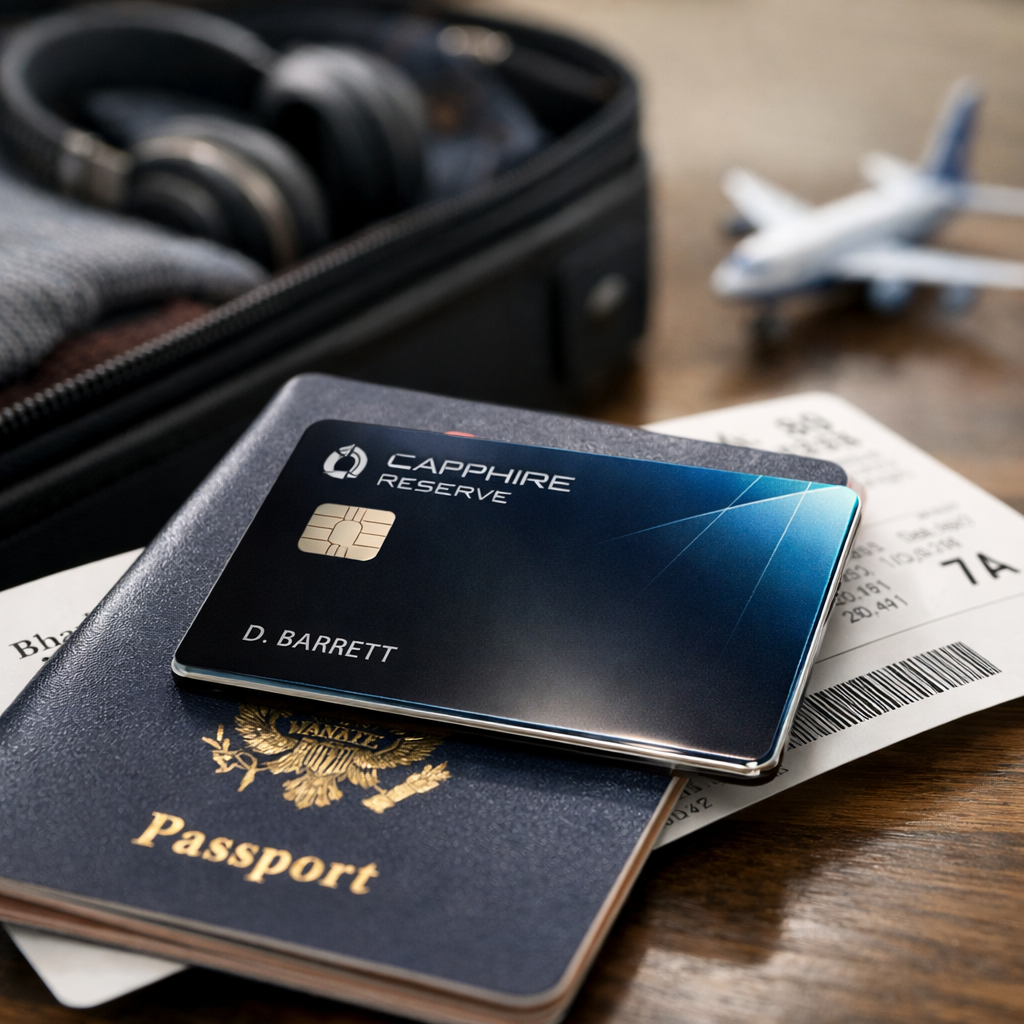
Is Chase Sapphire Reserve Worth It For Frequent Travelers’ Perks?
The Chase Sapphire Reserve is a premium travel card built for people who fly often and want transferable points, reliable lounge access, and robust travel protections. Whether it’s “worth it” comes down to how consistently you use its big-ticket benefits—especially the automatic $300 annual travel credit, Priority Pass lounge access, and point transfers to airline and hotel partners—plus practical perks like no foreign transaction fees, trip delay insurance, and primary rental car coverage. If you’re on the road regularly, these features can offset most or all of the net cost when used intentionally, as highlighted in CNBC’s breakdown of Reserve perks (including Chase Sapphire Lounge access and guesting) CNBC’s overview of Reserve perks. At Points and Perks Guide, we evaluate “worth it” by netting out easy-to-capture value and protections you’ll actually use.
Quick take for value-focused travelers
- It’s worth it if you travel enough to fully use the $300 travel credit, visit lounges several times a year, and redeem points with transfer partners for above-cash value.
- If you plan to transfer points, skim our guide to transferable rewards to understand how bank points unlock premium redemptions: Earn once, redeem anywhere: best transferable travel rewards cards.
- It’s not worth it if you rarely fly, won’t track benefits, or only want simple cash back.
- No foreign transaction fees and comprehensive travel protections are high-utility for international trips.
What travel perks come with the Chase Sapphire Reserve
- $300 annual travel credit that automatically reimburses eligible travel purchases each account year.
- Priority Pass Select access to 1,300+ lounges worldwide and entry to Chase Sapphire Lounges, typically with two guests.
- Application fee reimbursement for Global Entry, TSA PreCheck, or NEXUS every four years when you use the card to pay Chase’s program-credit details.
- No foreign transaction fees; built-in trip cancellation/interruption coverage; and primary rental car collision damage waiver.
- Elevated earn on travel/dining and 1:1 transfers to partners like United Airlines and World of Hyatt CNBC’s card review notes partners and earn.
Priority Pass Select is a membership that grants complimentary access to a broad global network of independent lounges (and some airport restaurants) across 1,300+ locations. With Sapphire Reserve, the cardmember typically may bring up to two guests at no additional charge, making lounge access useful for couples and families.
Annual fee versus realized value
Start by confirming the current annual fee with Chase, since figures in reviews can change. Then do simple math: subtract the $300 travel credit and any other benefits you’ll reliably use (like a few lounge visits). Be honest about tracking—if you won’t enroll/activate or adjust habits, don’t count those credits. At Points and Perks Guide, we favor conservative estimates and only count value you’ll actually capture.
Example fee math (illustrative only—confirm your fee with Chase):
| Annual fee | Minus $300 travel credit | Estimated lounge value (e.g., 6 visits x $30) | Estimated net cost |
|---|---|---|---|
| $550 (example) | -$300 | -$180 | $70 |
How the $300 travel credit changes the math
The Sapphire Reserve travel credit is an automatic statement credit that applies to qualifying travel purchases each account year—no activation required. It reduces your out-of-pocket by up to $300 before you do anything else with the card. Typical qualifying charges include airfare, hotels, rideshares, trains, buses, parking, and tolls (transactions must code as travel). Many cardholders treat this as a near-certain offset that significantly lowers the effective annual fee when fully used one frequent traveler’s take on the credit’s reliability.
Lounge access and airport speed benefits
You’ll get Priority Pass Select access to 1,300+ lounges and entry to Chase Sapphire Lounges for you plus two guests where available. Coverage can extend across multiple networks, including Sapphire Lounges, Priority Pass locations, and select partner lounges (for example, some Air Canada Maple Leaf lounges via network agreements in certain airports). For airport security, you’ll receive a statement credit for Global Entry, TSA PreCheck, or NEXUS once every four years when you use the card to pay the application fee, saving time every trip.
Points and Perks Guide quick valuation tip: Estimate lounge value per visit at roughly $25–$35 (food, drinks, workspace). Multiply by your anticipated visits, then add the amortized value of one expedited screening credit (spread across four years) to gauge your annual airport benefit.
Earn rates and point redemption power
Recent review data shows competitive earn potential—examples include up to 8x in the Chase travel portal, up to 4x on flights/hotels booked direct (subject to category rules), and 3x on dining worldwide. The real engine is redemption: NerdWallet pegs Ultimate Rewards at about 2.1 cents per point when transferred to travel partners, often beating cash-out values NerdWallet’s value estimate and methodology.
Mini example:
- 50,000 Ultimate Rewards at 2.1 cents each ≈ $1,050 in high-value partner bookings, versus $500 at a 1 cent-per-point cash rate.
That delta is why frequent travelers who transfer points tend to come out ahead.
Core travel protections that save real money
Key protections include:
- Trip cancellation/interruption coverage for eligible prepaid, nonrefundable expenses when covered reasons apply.
- Primary auto rental collision damage waiver when you pay the rental with the card—often replacing the rental agency’s CDW upsell.
- Trip delay reimbursement on qualifying itineraries that meet the card’s terms.
Primary rental car coverage means the card’s policy is your first line of defense for eligible collision or theft claims on rentals paid with the card, without involving your personal auto insurer. In many cases, it eliminates the need to buy the rental company’s CDW, which can run $10–$30 per day, delivering tangible savings a cardholder case for keeping Reserve centers on protections like these.
Statement credits you will actually use
- Treat the $300 travel credit as the no-brainer offset—it posts automatically and applies broadly.
- Lifestyle credits (such as periodic DoorDash promotions or DashPass) appear in some seasons but can change and usually require activation/enrollment, as noted in major reviews TPG’s review summarizes rotating perks and enrollments.
- Points and Perks Guide tip: To prevent breakage, make a one-page checklist with each credit’s cadence (annual, monthly, every four years) and set calendar reminders.
Transfer partners and upgrade pathways
Ultimate Rewards transfer 1:1 to airline and hotel partners like United Airlines and World of Hyatt, which is where premium-cabin flights and aspirational hotels become attainable. Two quick examples:
- Hyatt premium properties often return outsized cents-per-point versus cash rates.
- United or a Star Alliance partner can unlock business-class awards at “saver” levels that exceed 2 cents per point in value.
A transfer partner is an airline or hotel loyalty program you can move bank points into at a fixed ratio. Transferring lets you redeem directly with the partner for award seats or rooms, often unlocking better availability and pricing than fixed-value portal bookings TPG’s Sapphire Reserve guide outlines partners and strategy. New to transfers? Skim the Points and Perks Guide primer linked above before moving points.
When the Reserve beats simpler cards
- If you take 6–12 lounge visits per year, fully use the $300 travel credit, and rely on primary CDW for rentals, the savings can easily outweigh the net fee for frequent travelers CNBC’s perks rundown highlights these pillars.
- International travelers benefit from no foreign transaction fees and the Global Entry/PreCheck/NEXUS credit.
- Regular point transfers to partners usually deliver higher redemption value than flat cash-back strategies, compounding returns over time (see NerdWallet’s 2.1 cents per point valuation).
When a mid-tier card or Venture X makes more sense
Choose a lower-fee or simpler setup if you won’t visit lounges, don’t plan to transfer points, or find monthly credit tracking burdensome. Before deciding, verify the current annual fee, any authorized user charges, and which benefits require enrollment. In many cases, a mid-tier travel card or a simpler flat-rate option can better fit a set-it-and-forget-it strategy major card guides flag authorized-user costs and enrollment fine print.
How to decide based on your travel pattern
- Confirm the current annual fee with Chase.
- List planned trips and likely lounge visits; assign a per-visit value.
- Confirm you’ll fully use the $300 travel credit.
- Estimate annual Ultimate Rewards earnings and potential at ~2.1 cents per point via transfers.
- Add protection savings (e.g., rental CDW avoided on your trips).
Then plug your numbers into the scorecard below to sanity-check your decision.
Simple scorecard (fill this in for your own travel):
| Benefit used | Estimated value | Confidence (H/M/L) | Notes |
|---|---|---|---|
| $300 travel credit | $300 | High | Auto-applied each account year |
Retention and downgrade strategy
Reassess annually. If the math is close, call for a retention offer; otherwise, consider downgrading within Chase (e.g., to a no-fee card) rather than canceling to preserve your account age and points ecosystem. Recalculate whether any authorized user delivers value relative to their fee, and if tracking credits feels like work, pivot to a mid-tier card that better matches how you actually travel.
Frequently asked questions
What is covered by the $300 travel credit and how is it applied
The $300 annual travel credit automatically reimburses eligible travel purchases each account year—no activation needed. Points and Perks Guide recommends assuming it will cover common travel charges like airfare and hotels, with credits posting after qualifying transactions appear.
How valuable is Priority Pass and Chase Sapphire Lounge access if I travel a few times a year
Even 4–6 lounge visits can offset a meaningful chunk of the card’s net cost. Points and Perks Guide values typical lounge visits at roughly $25–$35 when you factor food, drinks, and workspace.
Do I need to activate Global Entry or TSA PreCheck credits before applying
No activation is needed; just pay the application fee for Global Entry, NEXUS, or TSA PreCheck with your card and the credit should post automatically. Points and Perks Guide suggests keeping your receipt and verifying the credit on your statement.
What trips qualify for trip delay and rental car coverage
Trips and rentals paid with the card can qualify for built-in protections like trip cancellation/interruption, trip delay coverage, and primary collision on rentals. Points and Perks Guide recommends checking your card’s guide to benefits for exact terms.
How do Chase transfer partners help with premium cabin redemptions
Transferring Ultimate Rewards 1:1 to airline partners lets you book business-class and first-class awards at outsized value. Points and Perks Guide recommends watching for saver space and using flexible dates to stretch each point.