How to Find Trustworthy Airline Loyalty Programs with Useful Perks
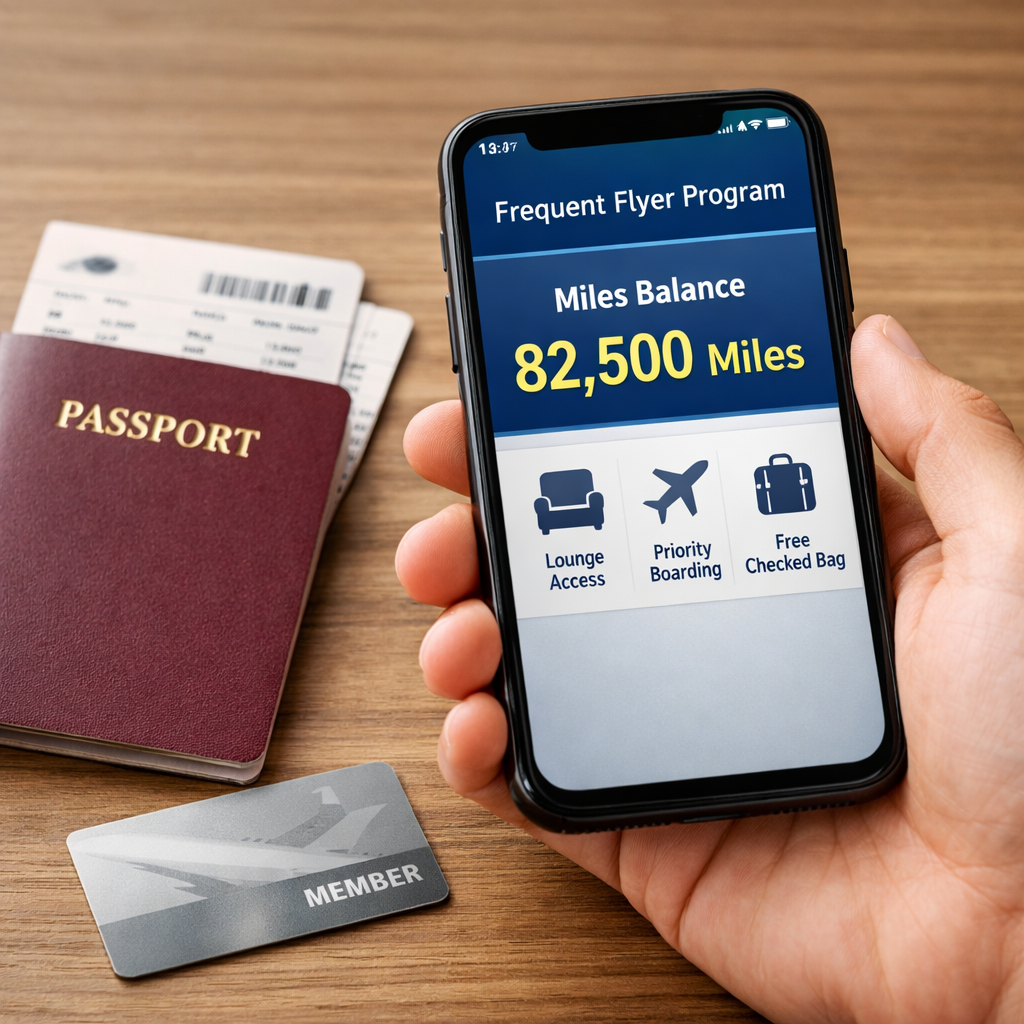
How to Find Trustworthy Airline Loyalty Programs with Useful Perks
Finding the best frequent flyer program starts with fit: routes you actually fly, alliances that expand your reach, and redemptions that are predictable and fairly priced. Add in transferable points and a good co-branded card, and you’ll protect yourself from devaluations while unlocking real perks. At Points and Perks Guide, we combine alliance coverage, award availability tests, point protections, and digital UX checks—then show you how to backstop everything with transferable points for maximum value and flexibility.
Start with a five minute decision flow
Use this Points and Perks Guide rules-based flow to shortlist 1–2 programs quickly:
- Routes and alliance fit
- List your top home airport(s) and 5–10 routes by season. Identify which alliances (Star Alliance, Oneworld, SkyTeam) serve them well.
- Transferable points access
- Prefer programs with 1:1 partners from Amex, Chase, or Capital One to hedge devaluation risk.
- Redemption predictability
- Favor transparent award charts or stable pricing; avoid programs with wild dynamic pricing for your routes.
- Point protections
- Check expiration, devaluation history, and non-flight uses.
- Elite perks fit
- Value the perks you actually use (free bags, upgrades, lounges) against realistic status thresholds or card shortcuts.
- App and transparency
- Test the mobile app, award search UX, and whether dashboards clarify pricing and partner booking rules.
Quick yes/no example:
- Mostly fly from DEN to Europe? Yes → Star Alliance likely best → Does your top pick have 1:1 bank transfers? Yes → Are award prices stable on 3–5 test dates? Mostly yes → Shortlist that program. If no on transfer or predictability, pivot to the closest partner with better transfer access and steadier pricing.
Decision snapshot (fill this in as you go; you can copy this from Points and Perks Guide’s template):
| Criteria | Program A | Program B | Winner/Note |
|---|---|---|---|
| Alliance coverage on top routes | |||
| 1:1 transferable access | |||
| Award predictability | |||
| Point protections | |||
| Elite perks fit | |||
| App/UX transparency |
Define your routes and alliance coverage
Start with where you actually fly. Write down your top 5–10 routes by season and verify nonstop or one-stop options via the airline and alliance partners. For example, United’s own route map covers roughly 350 destinations and more than 1,290 via Star Alliance partners, giving broad Europe and Asia reach (Bankrate’s review of frequent flyer programs).
Airline alliance coverage is the combined route network you can access using miles across partner airlines. It lets you book more destinations and connections while keeping core benefits—like baggage and priority—relatively consistent across carriers on the same ticket, greatly expanding your real-world options. Points and Perks Guide uses alliance coverage as the first screen in our picks.
Route-to-alliance worksheet:
| Home airport(s) | Preferred destinations | Matching alliances/programs |
|---|---|---|
Tip: Check partner awards for one-stop options when nonstop seats are scarce, and confirm whether your benefits (bags, priority boarding) carry over on partners.
Verify earning ecosystems and transferable points access
A strong earning ecosystem makes a program easier to trust because you can build balances quickly and pivot if rules change. Major co-branded credit cards are the single most powerful tool for accumulating miles through welcome bonuses and category multipliers (analysis of airline loyalty economics). Look for:
- 1:1 transferable partners (Amex Membership Rewards, Chase Ultimate Rewards, Capital One Miles).
- Everyday partners: hotels, car rentals, shopping portals, dining, and rideshare. Points and Perks Guide shortlists favor programs supported by at least one major transferable currency.
Flying Blue is a useful benchmark: members earn with a wide range of partners (flights, hotels, car rentals, and shopping) and can redeem for flights, upgrades, baggage, experiences, or even donate miles; it also accepts 1:1 transfers from Amex, Chase, and Capital One (CleverTap’s loyalty program guide).
Transferable points are bank-issued rewards you can move 1:1 into multiple airline programs. They create flexibility to choose the best partner for a given route, protect against single-program devaluations, and unlock multiple “sweet spots” so you can redeem where value is highest without starting from zero each time.
Check redemption rules and award predictability
Pricing rules matter more than flashy earn rates. Before committing to any program, run 3–5 sample award searches on your top routes and dates. Compare:
- Dynamic pricing vs fixed charts
- Award availability (economy and premium)
- Partner booking quirks (phone-only awards, married segment logic)
- Blackout dates and surcharges Points and Perks Guide tests 3–5 dates per route to spot volatility, then prioritizes programs you can actually book.
Flexibility on dates, routing (one-stop vs nonstop), and partners dramatically improves your odds of landing a good “sweet spot” redemption (analysis of airline loyalty economics).
Dynamic pricing means award costs change with demand, season, and sometimes time of day, making costs less predictable. Fixed award charts publish set prices by region or distance, which helps you budget and plan ahead. Many programs blend both—test your routes to see how volatile they are in practice.
Confirm point protections and devaluation risk
Trustworthy programs state their rules simply and avoid surprise changes. Check:
- Expiration: Southwest Rapid Rewards points do not expire as long as the account is open and in good standing; AAdvantage miles expire after 24 months of inactivity, often kept alive through card or partner activity (Bankrate’s review of frequent flyer programs).
- Devaluation history: Look for transparent updates and tools that show pricing rules and partner availability; well-designed dashboards build trust (Collinson’s airline loyalty overview).
- Cash-outs or non-flight uses: Gift cards, transfers, or upgrades can preserve utility when flights aren’t the best option. Points and Perks Guide prioritizes programs with clear, consistently communicated rules.
Devaluation is when a program increases award prices, adds surcharges, or reduces benefits so your miles buy less. Since devaluations are typically one-way and unannounced, your best defense is to earn in transferable currencies, keep balances lean, and redeem regularly.
Buying miles is usually poor value; consider it only to top up for a specific award when the math clearly works.
Evaluate elite perks against realistic thresholds
Match benefits to what you’ll actually use and the cost to get them. Example: Southwest Companion Pass typically requires high activity—100 qualifying flights or 135,000 qualifying points in a calendar year—so weigh the real savings against the effort (Bankrate’s review of frequent flyer programs). In many cases, a co-branded card can replicate elite-like perks such as free checked bags, priority boarding, and even lounge access without chasing status (Blacklane’s guide to frequent flyer programs). Points and Perks Guide prices perks against realistic thresholds and often prefers card-based benefits over chasing low-value status.
Quick value table:
| Elite perk and est. cash value | Requirement (segments/spend) or card shortcut |
|---|---|
| First checked bag free ($60–$140 roundtrip for two travelers) | Airline co-branded card with bag benefit vs low/mid-tier status |
| Priority security/boarding ($20–$40 per trip in time saved) | Mid-tier status or co-brand card priority benefit |
| Domestic lounge access ($35–$50 per visit) | Premium co-brand or bank lounge card; not typical at low tiers |
| Occasional domestic upgrades (variable) | Mid/high-tier status; value depends on route and load factors |
| Companion ticket (hundreds+ yearly) | Program-specific threshold (e.g., Companion Pass) or premium card annual cert |
Persona cueing: Status Seeker values upgrades and lounges and might justify higher thresholds. Value Hunter prioritizes free bags and no-expiry points, often better served by a co-branded card over status (Collinson’s airline loyalty overview).
Test the digital experience and transparency
Programs with mature, app-first loyalty experiences tend to communicate value better. App notifications, personalized offers, and real-time alerts increase engagement between bookings (Convercus on airline loyalty software). Personalization correlates with trust and repeat behavior—78% of consumers are more likely to buy again when brands personalize (Tremendous roundup of loyalty stats). At the same time, traveler trust is fragile: one analysis found 95% of airline loyalty program reviews on Trustpilot skewed one star from 2019–2025, reinforcing the need to vet UX and support quality (Tremendous roundup of loyalty stats). Points and Perks Guide scores programs on app clarity, partner visibility, and upfront pricing.
What to look for:
- Clear award search with partner visibility and total prices up front
- Calculators for elite progress and miles-to-award estimates
- Dashboards that explain rules, fees, and partner booking limits (Collinson’s airline loyalty overview)
Apply rules based picks with clean comparison tables
Score your shortlist on consistent criteria and weight them to your goals (example weights in parentheses):
- Route/alliance fit (25%)
- Transferable access (25%)
- Redemption predictability (20%)
- Point protections (15%)
- Elite value (10%)
- Digital UX (5%) These weights mirror Points and Perks Guide’s default scoring, which you can adapt to your priorities.
As a proof point on ecosystem strength, consider the revenue scale and partner sophistication: Delta’s loyalty program generated about $5.5 billion in 2023, underscoring how central these programs are to airline economics (CleverTap’s loyalty program guide).
Sample comparison table (illustrative):
| Program | Alliance | Transferable access | Redemption predictability | Protections | Digital UX | Notes |
|---|---|---|---|---|---|---|
| Flying Blue (AF/KL) | SkyTeam | Amex/Chase/CapOne 1:1 | Promo Awards; moderate swings | Activity-based expiration | Modern app | Broad partners; periodic Promo sales |
| United MileagePlus | Star Alliance | Chase 1:1 | No published chart; variable | No close-in fees; no expiry with activity | Solid app | Strong alliance coverage ex-USA |
| American AAdvantage | Oneworld | — (indirect via partners) | Mixed; partner charts helpful | 24‑month expiry policy | Improving app | Good partner premium awards |
| Air Canada Aeroplan | Star Alliance | Amex/Chase/CapOne 1:1 | Distance-based chart; transparent | Family sharing; stopovers | Robust tools | Great partner mix; stopover options |
| Southwest Rapid Rewards | — | Chase 1:1 | Revenue-based; transparent | Points don’t expire | Simple app | Companion Pass potential |
Use this table to align scores to your travel pattern and make a rules-based pick.
Fast setups for common traveler profiles
Points and Perks Guide uses these quick-start pairings as a baseline; tailor to your routes and cards.
Status Seeker
- Primary: American AAdvantage (Oneworld) for partner premium awards and upgrade paths.
- Backup: Amex Membership Rewards for Oneworld-adjacent transfers (e.g., BA/Iberia via partners).
- Card: Airline premium co-brand for lounge and priority benefits. Why it works: Clear partner charts, strong upgrade ecosystem.
Value Hunter
- Primary: Southwest Rapid Rewards for transparent, revenue-based pricing and points that don’t expire (see Bankrate’s review of frequent flyer programs).
- Backup: Chase Ultimate Rewards for 1:1 top-ups into Southwest or United.
- Card: Southwest co-brand for bags/Companion Pass pursuit. Why it works: Predictable pricing and low friction redemptions.
Digital Native
- Primary: Air Canada Aeroplan for modern app, transparent pricing, and stopovers.
- Backup: Amex or Capital One for 1:1 transfers.
- Card: Bank transferable card with strong app and travel protections. Why it works: Excellent tools and partner breadth.
Global Explorer
- Primary: Flying Blue for SkyTeam reach and frequent Promo Awards.
- Backup: Amex/Chase/Capital One to move 1:1 as needed.
- Card: One airline co-brand for bags/priority, plus a transferable workhorse. Why it works: Alliance reach plus frequent discounted awards.
Before you commit, test one economy and one premium redemption on a real route to confirm availability and pricing behavior.
Stack with cards for maximum value
Pair one core transferable ecosystem (Amex, Chase, or Capital One) with a single airline co-brand that unlocks must-have perks like free bags, priority boarding, or lounge access—often replacing the need for status on domestic travel (Blacklane’s guide to frequent flyer programs). Remember, co-branded cards are also among the strongest mileage builders thanks to welcome bonuses and everyday multipliers (analysis of airline loyalty economics). This is Points and Perks Guide’s default stack for maximizing flexibility and value.
Card stacking means using multiple complementary cards to boost category earn rates, keep access to 1:1 transfers into many airlines, and trigger airline-specific perks such as bag fee waivers or companion certificates. A good stack maximizes rewards while minimizing net annual fees by consolidating overlapping benefits.
For a deeper dive on transferable ecosystems, see Points and Perks Guide’s guide to earn once, redeem anywhere.
Red flags and when to walk away
- Frequent stealth devaluations or opaque dynamic pricing with no charts
- Limited partners or weak alliance coverage on your routes
- Poor app transparency (can’t see partner awards, final prices, or fees)
- Lack of personalization or unreliable support despite frequent outreach
Airlines should treat loyalty as an evolving product—continuous improvements, clear rules, and better UX build trust (Convercus on airline loyalty software; Collinson’s airline loyalty overview). Avoid overpaying for miles; buying is rarely economical except to top up for a specific, high-value award (academic analysis in IJAAA). If you hit these red flags, switch to a Points and Perks Guide–style transferable-points-first setup and a partner-friendly program with published rules and usable dashboards.
Frequently asked questions
How can I tell if a program’s points will hold value over time?
Look for clear award charts, steady pricing history, reasonable expiration, and redeem-anytime options; test 2–3 sample awards. Points and Perks Guide recommends favoring programs backed by transferable partners to hedge risk.
Are miles earned from credit cards as reliable as miles earned from flights?
Yes—especially transferable points you can move 1:1 across programs. Points and Perks Guide also values co-branded cards for fast earn and core perks like free bags.
What perks actually save the most money for occasional travelers?
Points and Perks Guide sees the biggest savings from free checked bags, broad partner coverage, and points that don’t expire. Companion tickets help if you fly often enough to use them.
How do I protect myself from sudden devaluations?
Points and Perks Guide advises earning in transferable points, redeeming quickly, and diversifying across 2–3 strong partners. Also monitor updates and avoid big mileage purchases.
Should I pick one primary program or split across multiple?
Pick one primary program matched to your routes and backstop it with a transferable ecosystem. Points and Perks Guide recommends splitting only when you regularly fly different alliances or target specific sweet spots.