Fastest-Earning Airline Loyalty Programs: Side-By-Side Rewards Comparison For Busy Travelers
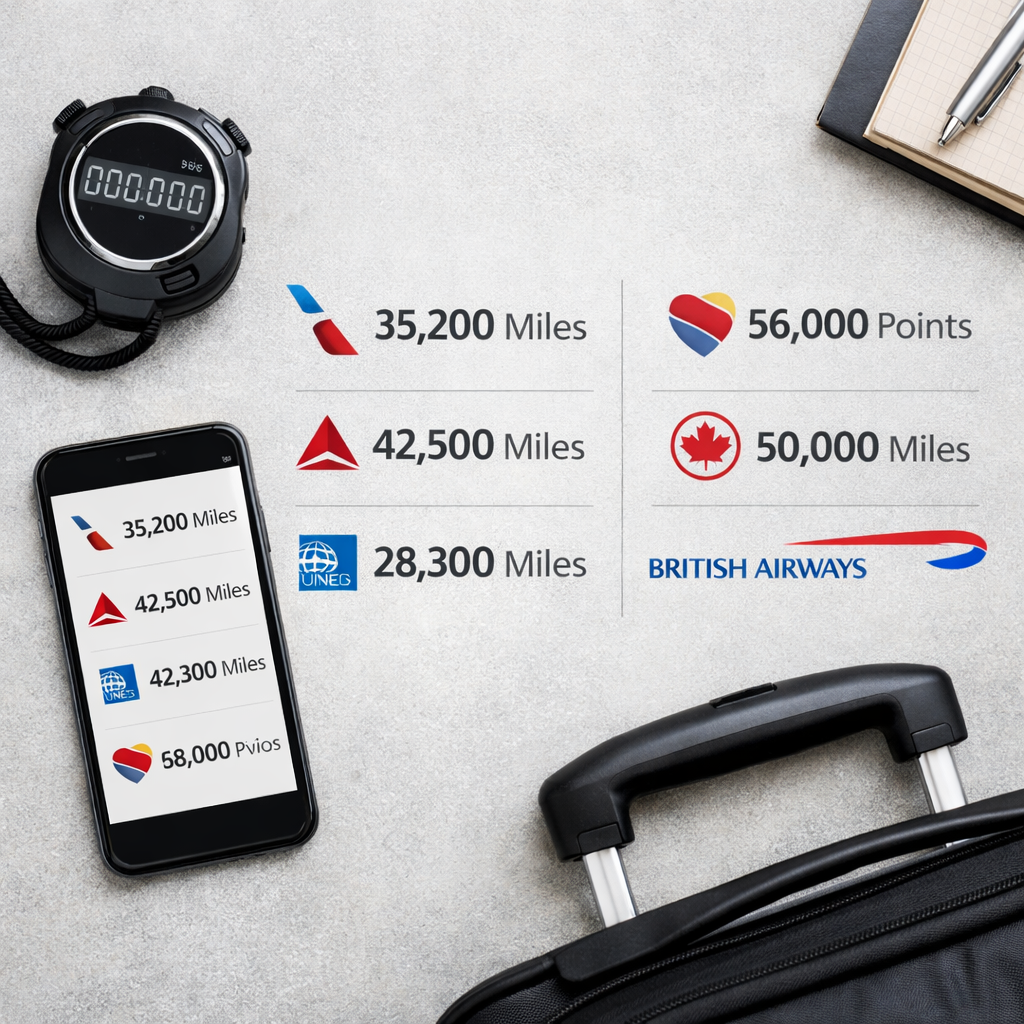
Fastest-Earning Airline Loyalty Programs: Side-By-Side Rewards Comparison For Busy Travelers
If your goal is a free flight fast, the “best” frequent flyer program is the one that moves you from $0 to a bookable award with the fewest steps and least friction. In our approach at Points and Perks Guide, that usually means programs you can top up instantly with bank points, earn on everyday spending, and redeem predictably with minimal fees. Most miles today no longer come from flying but from credit card spending and partner activity, according to the Forbes 2025 airline rewards report (Forbes 2025 airline rewards report). Below, we define fastest earning, highlight practical levers busy travelers can use this week, and compare popular programs side by side so you can decide in five minutes.
How we define fastest earning
At Points and Perks Guide, fastest earning means the shortest path from zero balance to a usable award seat. We prioritize:
- Welcome bonuses and strong everyday earn on co‑branded credit cards.
- Transferable points top‑ups (Amex, Chase, Citi, Capital One, Bilt, Wells Fargo).
- Partner earning (shopping, dining, hotels, car rentals) and pooling features.
- Real redemption speed: availability, blackout rules, dynamic award pricing, and out‑of‑pocket fees like fuel surcharges.
- Practical entry points (e.g., programs with sub‑10k one-way awards on off-peak routes).
Concise definition (dynamic pricing): Dynamic pricing means award costs fluctuate with demand, route, and timing instead of following a fixed award chart. It can speed redemptions during off‑peak sales or slow them during peak demand. Both United and Delta now price awards dynamically (Bankrate analysis of frequent flyer programs; travelers report declining value).
What matters most for busy travelers
For most people, the fastest airline rewards come from non‑flying earn rails: co‑branded cards, bank transfers, shopping portals, hotel and car partners, and family pooling—again, most miles now accrue from cards and partners rather than butt‑in‑seat flying (Forbes 2025 airline rewards report). Watch two friction points that slow “speed‑to‑redemption”:
- Dynamic award pricing variability (notably on Delta and United) can swing prices week to week, requiring flexibility to catch low windows (travelers report declining value).
- Carrier surcharges—especially on some Avios long‑haul premium awards—can add significant cash to “free” tickets, eroding value (travelers report declining value).
A quick pre-checklist:
- Transferability: Can you top up 1:1 from multiple banks?
- Welcome bonus size: Will a single bonus get you to a one‑way?
- Pooling: Can you combine balances across a household?
- Blackout and availability: Any hard restrictions?
- Entry-level award costs: Some United itineraries can price from around 4,500 miles on select short‑haul economy routes (Bankrate analysis of frequent flyer programs).
Points and Perks Guide quick-pick framework
Use this five‑minute decision flow. It reflects Points and Perks Guide’s speed‑to‑reward lens:
- If you value flexible partners and monthly promos → Pick Flying Blue.
- Who it fits: Flexible‑date travelers, Europe or Africa routings, bank‑points‑first collectors.
- If you want predictable, fare‑tied pricing → Pick Southwest or JetBlue.
- Who it fits: Families, occasional travelers, anyone wanting no blackout dates and cash‑linked pricing.
- If you want U.S. network depth with broad top‑ups → Pick United or American.
- Who it fits: Hub captives, domestic plus oneworld/Star Alliance partner access, people who prefer lots of ways to earn.
Power move: Pair a core transferable travel card with a no‑fee earner to accelerate everyday categories, then send points where awards are cheapest. See Points and Perks Guide’s guide: Earn Once, Redeem Anywhere: Best Transferable Travel Rewards Cards.
Comparison criteria and scoring
At Points and Perks Guide, we weight speed-to-reward factors as follows:
- Transfer partners/point top‑ups (30%): How easily can you move bank points in?
- Co‑brand earn/welcome (25%): Are there large bonuses and rich ongoing earn rates?
- Redemption predictability (20%): Clear pricing, low volatility, and few blackout dates.
- Pooling/family features (15%): Can households combine balances?
- Availability/blackout policy (10%): How reliably can you find seats?
Examples:
- Transfer partners: Flying Blue’s 1:1 links with all major banks make instant top‑ups easy (Bankrate analysis of frequent flyer programs).
- Predictability: United’s fully dynamic pricing boosts flexibility but reduces price certainty (Bankrate analysis of frequent flyer programs).
Sample snapshot of how we compare programs (illustrative):
| Program | Transferability | Co‑brand strength | Predictability | Pooling | Notable perks | Watch‑outs |
|---|---|---|---|---|---|---|
| Flying Blue | All major banks 1:1 | Solid U.S. cards | Medium (dynamic + Promo Rewards) | Family Group option | Monthly Promo Rewards | Variable surcharges by partner |
| Southwest | Limited transfers; strong co‑brand | Excellent welcome + earn | High (fare‑based, no blackout) | No formal pooling | Companion Pass | Few outsized “sweet spots” |
| United | Chase + Marriott top‑ups | Multiple co‑brands | Medium‑low (fully dynamic) | No family pool | No close‑in fees | Award prices can spike |
American AAdvantage
American’s partnership with Citi ThankYou Rewards expanded everyday earning for AAdvantage members (Forbes 2025 airline rewards report). That new transferable access, combined with oneworld and independent partner breadth, makes topping up miles faster. Best uses include domestic flights on American and high‑value partner awards across oneworld.
- Co‑brand earn paths: Robust Citi and Barclays cards can deliver large welcome bonuses and useful category multipliers.
- Dynamic pricing implications: AAdvantage can raise award prices on busy routes, reducing low‑level availability during peaks (travelers report declining value).
- Watch‑outs: Limited saver space on some popular routes; check partners (like Qatar, Japan Airlines) for better value when American space is tight.
United MileagePlus
United removed its public award chart and now prices awards dynamically; on the low end, select short‑haul economy awards can start around 4,500 miles (Bankrate analysis of frequent flyer programs). Earning is fast via multiple Chase co‑branded cards and 3:1 transfers from Marriott Bonvoy (Bankrate analysis of frequent flyer programs).
- Top‑ups: Chase cards for big bonuses; Marriott for occasional top‑offs.
- Redemption tips: Search flexible dates and set fare alerts—dynamic pricing rewards patience.
- Pros: Large route map and Star Alliance partners; no close‑in booking fees.
- Cons: Price swings can be steep on peak dates and premium cabins.
Delta SkyMiles
SkyMiles is a large ecosystem with strong operations and massive program scale. Cirium data cited by Bankrate shows Delta delivered 83.46% on‑time performance in 2024—reassuring for travelers who prize reliability (Bankrate analysis of frequent flyer programs). The SkyMiles program was valued at nearly $28 billion, highlighting its breadth and partner reach (Newsweek loyalty program comparison).
- Reality check: Dynamic pricing can vary week to week (travelers report declining value).
- Earn fast: Multiple Amex co‑brands with frequent elevated bonuses; everyday Amex Membership Rewards transfers help top up.
- Tip: Use flexible dates and flash sales; compare partner awards (e.g., Air France/KLM) for long‑hauls.
Alaska Mileage Plan
Alaska’s partner sweet spots and stopover awards can stretch fewer miles further, especially on oneworld partners. Free stopovers on one‑way awards effectively create multi‑city trips without extra miles, boosting perceived speed‑to‑reward. Co‑branded cards frequently feature competitive welcome offers to jump‑start balances.
- Standouts: West Coast to Asia on partners, with a free stopover to explore two cities.
- Who it fits: Value hunters flexible on dates and routes; oneworld partner fans.
- Watch‑outs: Award charts and partner pricing differ by carrier; compare total cash and miles.
JetBlue TrueBlue
TrueBlue keeps it simple: points track ticket prices, there are no blackout dates, and family pooling helps you combine balances fast. NerdWallet ranks JetBlue highly for cash value from miles earned via flying, which benefits those who regularly fly the airline (NerdWallet airline rewards valuations).
- Pros: Predictable, fare‑based pricing; easy redemptions for occasional travelers.
- Cons: Revenue‑based model limits outsized redemptions compared with partner award “sweet spots.”
- Tip: Leverage pooling to hit a one‑way sooner, then use flexible dates for lower fares.
Southwest Rapid Rewards
Southwest is the definition of predictable: points are tied to fares, there are no blackout dates, and points do not expire. The Companion Pass is one of the best two‑traveler accelerators in the game (TPG guide to frequent flyer programs).
- Best for: Families and domestic flyers who value flexibility and two‑free‑checked‑bag policies.
- Earn fast: Rich co‑brand bonuses; frequent fare sales lower the points needed.
- Trade‑off: Limited premium‑cabin opportunities and fewer “sweet spots” since awards are fare‑based.
Air France–KLM Flying Blue
Flying Blue is a top pick for speed: it accepts 1:1 transfers from all major U.S. bank programs (Amex, Chase, Capital One, Citi, Bilt, Wells Fargo) for instant top‑ups (Bankrate analysis of frequent flyer programs). The program publishes monthly Promo Rewards with discounted award pricing on select routes, which can cut the miles needed dramatically (Forbes 2025 airline rewards report).
- Tip: Check Promo Rewards monthly; move bank points only when you’re ready to book.
- Who it fits: Flexible travelers and anyone prioritizing transferable points.
British Airways Avios
Avios shines on short‑haul, distance‑based awards, especially within Europe and on partners for quick regional hops. Long‑haul premium awards can carry high taxes and carrier surcharges, which raise your out‑of‑pocket cost (travelers report declining value). Even after a 2025 devaluation, Avios remains compelling for short‑haul Europe (AwardFares best frequent flyer programs).
- Best practices: Use Avios for short segments; move bank points during transfer bonuses.
- Watch‑outs: Surcharges on BA metal long‑hauls; compare partners like Iberia or Aer Lingus.
Side-by-side comparison table
| Program | Best fast-earn lever | Transfer/top-up options | Predictability | Pooling | Notable perks | Watch‑outs |
|---|---|---|---|---|---|---|
| American AAdvantage | Citi ThankYou access + co‑brand bonuses | Citi ThankYou transfers; co‑brands | Medium (dynamic on peak routes) | No formal family pool | Strong oneworld partners | Saver space can be tight |
| United MileagePlus | Multiple Chase co‑brands + Marriott top‑offs | Chase cards; Marriott 3:1 | Medium‑low (fully dynamic; lows ~4.5k) | None | No close‑in fees | Premium cabins can spike |
| Delta SkyMiles | Large Amex ecosystem + frequent promos | Amex MR transfers; Delta Amex cards | Medium‑low (volatile) | None | Strong ops, broad partners | Flash devaluations possible |
| Alaska Mileage Plan | Partner sweet spots + free stopovers | Limited bank transfers; co‑brand | Medium (chart varies by partner) | None | One‑way stopovers | Mixed partner pricing |
| JetBlue TrueBlue | Simple revenue‑based + pooling | Limited transfers; JetBlue cards | High (fare‑based, no blackout) | Yes (points pooling) | Easy redemptions | Few outsized redemptions |
| Southwest Rapid Rewards | Fare‑based pricing + big co‑brand bonuses | Rapid Rewards cards | High (no blackout; points don’t expire) | No | Companion Pass | No premium cabins/sweet spots |
| Flying Blue (AF/KLM) | 1:1 with all major banks + Promo Rewards | Amex, Chase, CapOne, Citi, Bilt, WF | Medium (dynamic, frequent promos) | Family Group | Monthly Promo Rewards | Surcharges vary by partner |
| British Airways Avios | Short‑haul distance sweet spots | Broad bank transfers (Avios ecosystem) | Medium (distance‑based) | Household Account (UK) | Easy partner hops | Long‑haul surcharges |
Best fits and quick recommendations
- Flexible, bank‑points‑first: Flying Blue — 1:1 with all majors plus monthly Promo Rewards means you can top up instantly and pounce on discounted routes.
- Domestic families/value: Southwest — no blackout dates, points never expire, and Companion Pass doubles your value on two‑person trips.
- Occasional travelers needing pooling: JetBlue — cash‑based awards plus pooling make first redemptions fast and predictable.
- U.S. network depth/top‑ups: United — broad earn paths via Chase and Marriott; just account for dynamic pricing swings.
- Short‑haul sweet spots: Avios — excellent for short segments; avoid long‑haul surcharges on BA where possible.
These align with Points and Perks Guide’s quick‑pick framework above.
How to accelerate earning with transferable points
Definition (transferable points): Bank reward currencies you can move 1:1 (or similar) into multiple airline programs, turning one card’s spending into many loyalty options. Flexibility speeds redemptions because you send points to whichever partner has the best award price and availability at booking time.
Flying Blue is the model example, accepting 1:1 transfers from all major issuers (Bankrate analysis of frequent flyer programs). Strategy: pair a mid‑tier travel card with a no‑fee earner, then time welcome bonuses to your target trip. Start here: Points and Perks Guide — Earn Once, Redeem Anywhere: Best Transferable Travel Rewards Cards.
Pooling and family features that shorten time to redemption
At Points and Perks Guide, pooling miles reduces friction by letting households combine smaller balances into one usable ticket faster (loyalty pooling overview). Two helpful options:
- JetBlue points pooling lets families and friends contribute to a shared balance.
- Flying Blue Family groups up to eight members into a central pool (Flying Blue Family feature).
Quick how‑to:
- Set up a pool and designate a head of household.
- Add members and align everyday spend to the pooled account.
- Pick a target redemption and track progress together.
Dynamic pricing and surcharges to watch
Expect price swings on Delta and United due to dynamic pricing and occasional spikes on American during peak demand (travelers report declining value; Bankrate analysis of frequent flyer programs). Avios long‑haul premium awards may carry significant surcharges.
Definition (carrier surcharges): Extra cash fees airlines add to award tickets (often coded YQ/YR). They are not covered by miles and can range from modest amounts to hundreds of dollars—especially on long‑haul premium cabins—reducing the true value of your redemption.
Mitigate by booking off‑peak, favoring partners that don’t add surcharges, and comparing total cash plus miles before you transfer points.
Five-minute action plan
- Pick a primary program aligned to your routes; favor strong transfer options (e.g., Flying Blue with 1:1 across all majors).
- Open a transferable points card plus a no‑fee earner; time a welcome bonus to your next trip goal.
- Enable pooling where available (JetBlue pooling; Flying Blue Family up to eight).
- Search flexible dates to counter dynamic pricing; monitor monthly Promo Rewards for discounts.
- Before booking, sanity‑check carrier surcharges on the payment screen—especially on long‑haul business or first.
Frequently asked questions
Do airline miles from flights or credit cards earn faster for most travelers?
Credit cards and partner activity usually earn faster because welcome bonuses and everyday spending outpace occasional flight accrual. At Points and Perks Guide, we prioritize transferable points and big first‑year bonuses for speed.
Which transferable points are the most versatile for airline redemptions?
Points that transfer 1:1 to multiple major airlines and run frequent partner promos offer the most versatility. Points and Perks Guide generally favors flexible bank currencies for that reason.
How do pooling or family sharing features speed up redemptions?
Pooling combines balances so one ticket becomes attainable sooner. Points and Perks Guide recommends enabling it wherever offered.
How should I judge a program when award pricing is dynamic?
Prioritize flexible transfer options, search flexible dates, and compare total cash plus miles; book when low‑price windows appear. That rule of thumb is how Points and Perks Guide handles dynamic pricing.
Are annual fees worth it if my goal is fastest earning?
Often yes—if the welcome bonus, category multipliers, and travel perks offset the fee in year one based on your spending. Points and Perks Guide suggests running the math against your trip goal before applying.