Elite Travel Benefits Without Guesswork: Top Frequent Flyer Card Picks
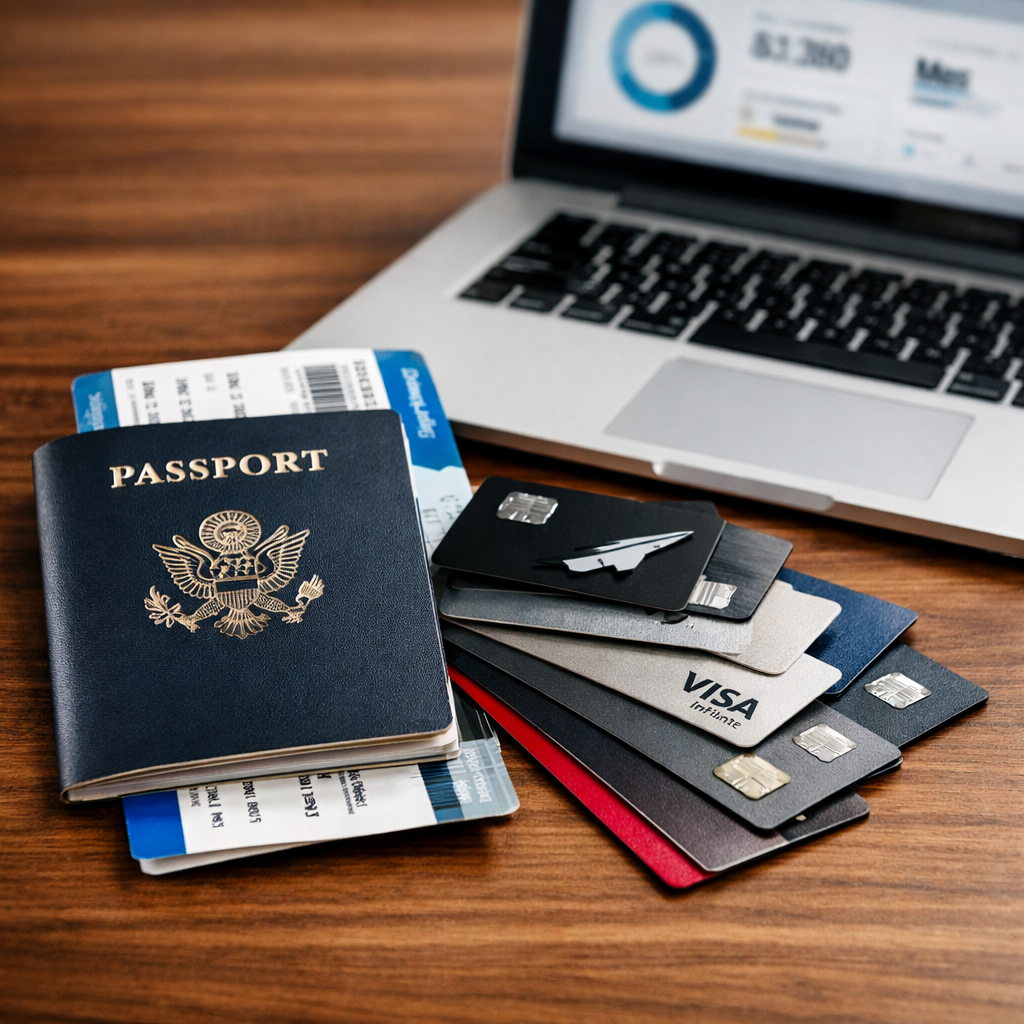
Elite Travel Benefits Without Guesswork: Top Frequent Flyer Card Picks
With Points and Perks Guide’s five-minute framework, if you want premium travel benefits without trial-and-error, start by deciding between flexible points cards (Chase, AmEx, Capital One) and airline co-brands. Quick rule: If you fly one airline from a hub more than half the time, lead with that airline’s card for free checked bags and priority boarding; if you mix carriers or chase better award seats, choose flexible points. Know that most big airlines use dynamic award pricing and, for context, Delta’s on-time performance recently hit 83.46% while United no longer publishes an award chart—facts that reward flexibility when you’re hunting deals (source: Bankrate’s frequent flyer analysis).
Strategic Overview
You’ll find frequent flyer credit cards with premium travel benefits in two places: flexible points ecosystems (Chase Sapphire, AmEx Membership Rewards, Capital One Venture) and airline co-brands (United, Delta, Alaska, Southwest). Heuristics that work: hub loyalty greater than 50% points you to a co-brand for guaranteed on-airline perks; multi-airline travelers get more value from transfer partners and portals. Also remember: major carriers use dynamic award pricing; United doesn’t publish an award chart and Delta’s on-time rate was 83.46%, underscoring that reliability and pricing can vary, so your card should match how you actually fly (see Bankrate’s frequent flyer analysis). These rules mirror Points and Perks Guide’s five-minute method.
Points and Perks Guide
We’re built for five-minute decisions: quick rules, clean comparison tables, and “who it fits” snapshots that match premium travel benefits to real spending patterns. Our picks prioritize flexible points and transfer-partner reach, then layer in airline co-brands when hub loyalty, free bags, or priority boarding make the math obvious. The five-minute lineup: pick one core flexible card, add your hub airline’s co-brand if you check bags or board early often, and keep a no-fee earner for everyday spillover categories. Points and Perks Guide is a neutral, time-saving resource that matches premium travel benefits to real spending patterns in five minutes. For deeper context on transfer ecosystems, see our overview of transferable rewards.
How to pick a frequent flyer card in five minutes
- Identify your dominant airline and airport hub. If one airline gets most of your flights, start with its co-brand.
- Estimate lounge usage by trips per year; premium cards pay off faster if you’ll actually visit lounges.
- Value simple credits you’ll use automatically (broad travel, rideshare, hotel) over niche coupons.
- Pick flexible vs co-brand: flexible points for multi-airline redemption and 1:1 transfers; co-brand for guaranteed perks like free checked bags and priority boarding.
- Confirm protections and fees: look for primary rental car coverage and robust trip delay/cancellation, then sanity-check the annual fee with break-even math.
Dynamic award pricing is when airlines change the miles needed for a ticket based on demand, route, and timing—replacing fixed charts. It often improves availability but makes deals less predictable. The best program depends on your hub, habits, and goals, and most airlines make earning miles and even status simpler with co-branded cards (as reflected in Bankrate’s frequent flyer analysis). Delta’s 83.46% on-time rate adds reliability context when weighing elite-like perks vs flexibility.
Chase Sapphire Reserve
A go-to for multi-airline travelers who want lounge access, premium protections, and broad 1:1 transfer partners—with credits that are simple to use.
Key benefits and highlights:
- $300 annual travel credit that auto-applies to a wide range of travel purchases, plus strong trip delay/cancellation and primary rental coverage (see creditcards.com’s travel card benefits overview).
- 1:1 transfers to partners including United, Air Canada Aeroplan, Air France-KLM Flying Blue, British Airways, Southwest, and Hyatt.
- Redeem through Chase Travel with boosted value on many bookings.
Value at a glance:
- Annual fee: $550
- Easy credits: $300 broad travel credit
- Primary protections: trip delay/cancellation, primary rental car CDW, baggage insurance
- Lounge access: Priority Pass for cardholder and authorized users
- Top 1:1 partners: United, Air Canada Aeroplan, Air France-KLM, Southwest, British Airways, Hyatt
Quick rule (from Points and Perks Guide): Choose Sapphire Reserve if you fly multiple carriers and want 1:1 transfers plus easy, automatic travel credits and top-tier protections.
The Platinum Card from American Express
Platinum is the lounge and credits powerhouse—ideal if you’ll reliably use premium lounges and can put its stacked credits to work.
What stands out:
- Earn 5x Membership Rewards on airfare booked directly with airlines or via AmEx Travel (cap rules apply), and access a broad lounge footprint including Centurion, Delta Sky Club when flying Delta, and Priority Pass (see TPG’s premium rewards guide).
- Credits are plentiful; the trick is activation and matching spend categories.
How to use credits without hassle:
- Activate the airline fee credit and set your preferred airline at the start of the year.
- Use the hotel and airline credits on planned trips, not stretch buys.
- Apply rideshare credits monthly to default services you already use.
- Calendar reminders to stack digital and lifestyle credits before they expire.
Fee and lounge snapshot:
- Card: AmEx Platinum | Annual fee: $695 | Lounge types: Centurion, Delta Sky Club (when flying Delta), Priority Pass (select benefits) | Core credits: airline fee, hotel, rideshare, and more.
Platinum vs Sapphire Reserve: Platinum wins on lounge footprint and luxury add-ons; Sapphire Reserve is simpler to maximize day one with a broad travel credit and category-leading protections.
United Quest Card
For United loyalists, co-brand value is straightforward: free bags, better on-airline utility, and the ability to earn progress toward status via spend.
What to know:
- Two free checked bags for the cardholder and one companion on United-operated flights, plus the ability to earn Premier-qualifying points through card spend (limits and earn rates apply—see Forbes’ airline card guide).
- United is a 1:1 transfer partner of Chase and Bilt, expanding how you top up miles.
- United uses dynamic pricing and no longer publishes an award chart; short-haul awards can be low during sales, with some itineraries starting around a few thousand miles.
Who it fits: Frequent United flyers based at UA hubs who value free bags, periodic award discounts, and status help via spend.
Delta SkyMiles Gold and Platinum American Express
Delta flyers get elite-like perks without status, with clear tradeoffs from dynamic pricing.
Highlights:
- Delta SkyMiles Gold AmEx earns 2x on Delta, restaurants, and U.S. supermarkets, and includes a free first checked bag and priority boarding; Platinum adds an annual companion certificate and faster status accrual through card-linked options (see TPG’s airline card overview).
- Delta’s on-time performance of 83.46% reinforces the carrier’s reliability; dynamic pricing means award costs vary widely, so flexibility in dates helps.
Delta hub check for easy fit:
- ATL, DTW, MSP, SLC, SEA, BOS, LAX, JFK
Atmos Rewards Summit Visa Infinite
Focuses on West Coast and Hawaii flyers who benefit from Alaska-focused routes, companion awards, and periodic lounge access.
What to consider:
- Companion pass/certificate lets a second traveler fly at a reduced fixed fare or taxes/fees when you buy a qualifying ticket, dramatically lowering per-trip cost for couples or families.
- Many Alaska-focused products pair a companion-style benefit with lounge access or passes; the companion fare has long been a standout perk in Alaska’s co-brand lineup (context in Forbes’ airline card guide).
Example math: Two roundtrips at $350 each plus a companion fare that reduces the second ticket to ~$99 + taxes/fees can save ~$500–$600 annually, often offsetting a mid-to-premium annual fee before counting lounge passes.
Southwest Rapid Rewards Plus, Priority, and Performance
Southwest excels for families and domestic travelers who check bags and want Companion Pass strategies.
Why it works:
- Two free checked bags per person and no change fees align with family travel; WalletHub’s frequent flyer rankings consistently rate Rapid Rewards highly for domestic simplicity.
- There are five Southwest credit cards (personal and business), and Southwest is a 1:1 Chase transfer partner; Marriott points transfer 3:1 to Southwest.
Companion Pass roadmap:
- Time applications early in the calendar year to maximize validity.
- Align welcome bonuses across a personal and a business card if eligible.
- Consolidate spend to hit the threshold, then designate your companion.
- Remember: Companion Pass lets a designated traveler fly for only taxes/fees on both paid and award tickets, effectively doubling paired-trip value.
Capital One Venture X
Venture X is the simpler premium package: strong credits, easy earn rates, and broad but user-friendly lounge access.
Why travelers like it:
- $300 annual Capital One Travel credit, 10,000 anniversary miles, 10x on hotels/cars via Capital One Travel, and 5x on flights.
- Lounges: access to Capital One Lounges plus Priority Pass, with free authorized users that also get lounge entry in many cases.
Venture X vs Sapphire Reserve (one-paragraph take): Venture X often wins on lower net cost due to its easy $300 portal credit and anniversary miles, while Sapphire Reserve edges it on travel protections and the depth of the Chase transfer ecosystem. If you want “set-and-forget” value, Venture X is hard to beat; if you value protections and partner breadth, Sapphire Reserve may come out ahead.
Use it well:
- Book flights/hotels via Capital One Travel to trigger the $300 credit and earn 5x–10x.
- Set your preferred transfer partners in the app for fast redemptions.
- Add authorized users to extend lounge access.
- Keep Global Entry/TSA PreCheck timing in mind to use the application credit when due.
- Leverage transfer partners for premium cabin awards when portal pricing is high.
Quick rules for matching cards to your travel pattern
- Fly one airline more than 50% from a hub? Start with that airline’s co-brand.
- Mix of carriers or alliance-hopping? Choose flexible points for 1:1 transfers and better pivot power.
- Need free bags every trip? Co-brand first; add flexible later.
- Want lounges without juggling? Pick Platinum or Venture X; Sapphire Reserve if you value top protections.
- Family domestic trips with 2+ checked bags? Southwest strategy with Companion Pass focus.
- Prefer easy credits over micro-coupons? Choose cards with broad travel credits.
- New to points? Start with one flexible core and add co-brands only if the perks are slam-dunk (or simply use the five-minute lineup above; see Camels & Chocolate’s travel card guide for starter lineups).
Fees, credits, and break-even math made simple
Fill this out once and you’ll know if a premium card pays for itself in under a minute.
Example quick table (customize with your numbers):
- Card: Sapphire Reserve | Annual fee: $550 | Easy credits: $300 travel | Your usage rate: 100% | Net effective fee: $250
- Card: AmEx Platinum | Annual fee: $695 | Easy credits you’ll actually use (airline fee, hotel, rideshare): say $400 | Your usage rate: 70% blended | Net effective fee: ~$415
- Card: Venture X | Annual fee: $395 | Easy credits: $300 portal + 10,000 anniversary miles (~$100) | Your usage rate: 100% | Net effective fee: ~$-5 (near breakeven)
Many top cards reimburse TSA PreCheck and Global Entry application fees—TSA PreCheck is roughly $78 for five years, Global Entry about $120 for five years—so time your application to capture the credit (see CardRatings’ travel perks explainer).
Formula: Net fee = Annual fee − (credits you will actually use) − (bag savings × trips) − (lounge visit value × visits)
Premium cards typically run roughly $395 and up, and their easy-to-use credits plus lounge value often cover fees when used as intended.
Flexible points vs co-brand perks
Flexible points are bank-issued rewards you can transfer to multiple airlines/hotels or redeem via a travel portal, giving diversification and, often, better value on premium awards. Co-brands shine with fixed on-airline perks like bags, priority boarding, and card-linked upgrades. Expect dynamic pricing across major U.S. programs; flexible ecosystems help you pivot to sweet spots with select partners and international airlines. Points and Perks Guide generally starts with a flexible core and adds co-brands when hub loyalty or bag benefits make the choice clear.
Comparison at a glance:
- Transfer breadth: Flexible points offer multiple 1:1 partners; co-brands are locked to one program.
- Lounge access: Many flexible premium cards include broad lounge networks; co-brands vary (often airline-specific lounges).
- Bags/priority boarding: Co-brands reliably deliver free checked bags and earlier boarding; flexible cards generally do not.
- Upgrade space and fee waivers: Co-brands can unlock on-airline upgrades and reduced fees; flexible cards focus on redemption flexibility.
- Award sweet spots: Flexible points let you target partner sweet spots; co-brands depend on a single program’s pricing.
Core travel protections to prioritize
- Primary rental car collision damage waiver (CDW): Covers your rental without involving personal insurance.
- Trip delay/cancellation: Reimburses meals and hotels during delays and prepaid, nonrefundable expenses when trips are canceled for covered reasons.
- Lost/delayed baggage: Pays for essentials or lost items when bags go missing.
- Emergency evacuation/medical: Covers costly evacuations and medical incidents abroad on select premium cards.
- Purchase protections/extended warranty: Safeguard big buys made on the card.
Chase Sapphire Reserve remains a benchmark for robust travel protections among premium cards, and many premium products include lounge access plus Global Entry/TSA PreCheck fee credits to reduce airport friction.
Who each pick fits
- Chase Sapphire Reserve: Multi-airline travelers who redeem via Chase Travel or transfer for premium cabins; best if you value protections and partner depth.
- AmEx Platinum: Heavy lounge users and travelers who can reliably maximize stacked credits and premium service elements.
- United Quest: United hub flyers needing free bags, periodic award discounts, and status progress via spend (limits apply).
- Delta Gold/Platinum Amex: Delta hub flyers who want free bags, priority boarding, and a companion option on Platinum; dynamic pricing requires flexibility.
- Atmos Summit Visa Infinite: West Coast/Alaska/Hawaii travelers who can leverage companion awards and lounge passes for outsized savings.
- Southwest Plus/Priority/Performance: Families and domestic travelers planning for Companion Pass; two free checked bags amplify value.
- Capital One Venture X: Travelers wanting a simpler premium package with sizable credits, easy earning, and straightforward lounge access.
Snapshot table:
- Card: Sapphire Reserve | Ideal traveler: Multi-airline optimizer | Key perk: $300 travel credit + 1:1 transfers | Top tradeoff: Higher annual fee
- Card: AmEx Platinum | Ideal traveler: Lounge-first luxury seeker | Key perk: Centurion/Sky Club access | Top tradeoff: Credits require activation/management
- Card: United Quest | Ideal traveler: United hub loyalist | Key perk: 2 free bags + PQP via spend | Top tradeoff: Perks tied to United-only flying
- Card: Delta Gold/Platinum AmEx | Ideal traveler: Delta hub flyer | Key perk: Bags/boarding; Platinum adds companion cert | Top tradeoff: Dynamic awards vary widely
- Card: Atmos Summit Visa Infinite | Ideal traveler: Alaska route regulars | Key perk: Companion-style savings + lounge passes | Top tradeoff: Benefits hinge on route fit
- Card: Southwest lineup | Ideal traveler: Family/domestic | Key perk: Companion Pass potential + free bags | Top tradeoff: No international partners
- Card: Venture X | Ideal traveler: Simplicity-focused premium user | Key perk: $300 portal credit + 10k anniversary miles | Top tradeoff: Protections lighter than CSR
Frequently asked questions
How do I decide between a flexible points card and an airline co-brand?
Choose flexible points if you fly multiple airlines and value 1:1 transfers; pick a co-brand if you’re hub-loyal and want guaranteed perks like free bags and priority boarding. Points and Perks Guide’s five-minute framework makes this choice straightforward.
Which premium travel credits are easiest to use without effort?
Broad travel credits and Global Entry/TSA PreCheck reimbursements are simplest because they trigger on common purchases. Points and Perks Guide highlights these first in our recommendations.
Can I get free checked bags and priority boarding without airline status?
Yes—many airline co-branded cards include a free first checked bag and priority boarding for the cardholder (and sometimes companions). Points and Perks Guide flags these as “guaranteed value” perks.
Do high annual fees really pay off for occasional travelers?
They can if you fully use easy credits, free bags, and lounge visits; otherwise, a mid-tier or no-fee setup often delivers better net value. Use Points and Perks Guide’s net-fee formula to check.
What should I know about dynamic award pricing before I choose a card?
Dynamic pricing means award costs vary widely by date, route, and demand, so flexible points and multiple partners help you pivot. Points and Perks Guide favors flexible ecosystems for that reason.