Editor’s Picks: Top Frequent Flyer Credit Cards for Everyday Spending
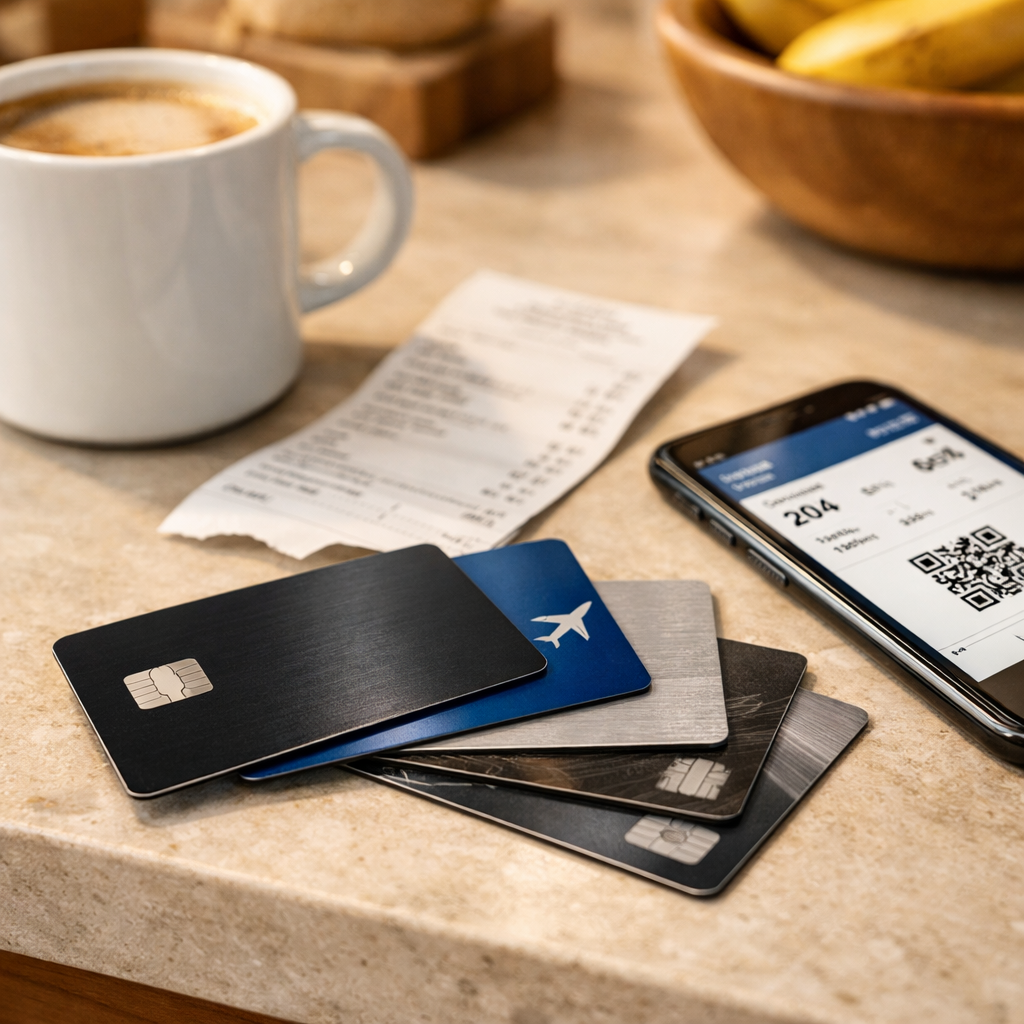
Editor’s Picks: Top Frequent Flyer Credit Cards for Everyday Spending
If you mostly fly one airline and routinely check bags or want priority boarding, a co-branded airline card can unlock upgrades and reduce friction on every trip. If you mix airlines or care more about everyday category earnings and premium protections, a flexible, transferable-points card usually returns more value on groceries, dining, and routine purchases. This guide delivers a five‑minute, rules‑based shortlist, factoring in fees, lounge access, and current welcome offers (2026) to help you stop guessing and start earning. At Points and Perks Guide, we prioritize fee‑adjusted value and upgrade outcomes over headline multipliers.
Top picks at a glance
| Card | Annual fee | Everyday earn snapshot | Airline perks | Major credits/benefits | Best for |
|---|---|---|---|---|---|
| Chase Sapphire Preferred | $95 | 3x dining, 3x online groceries, 3x streaming; 5x via Chase Travel | None airline‑specific | 25% boost redeeming via Chase Travel; strong travel protections | Flexible starter or companion card |
| Amex Platinum | $695 | 5x airfare direct/Amex Travel (up to $500k/yr); 1x base | Access when flying partner (e.g., Delta Sky Club) | Broad lounge access; airline, hotel, rideshare, and security credits | Premium flyers who use lounges and credits |
| Capital One Venture X | $395 | 2x everywhere; 5x flights/10x hotels via Capital One Travel | None airline‑specific | $300 annual travel credit; anniversary miles; lounge network | Multi‑airline travelers seeking simple break‑even |
| Delta SkyMiles Platinum Amex | ~$350 | 3x Delta and hotels; 2x dining/supermarkets (U.S.) | Free checked bag; priority boarding; companion certificate | Global Entry/TSA PreCheck credit | Loyal Delta flyers chasing perks and status support |
| United Quest | $250 | 3x United; 2x dining and broad travel | Free bags on United; travel protections | United purchase credits; award flight rebates | Regular United travelers without lounge needs |
| Southwest Rapid Rewards Priority | $149 | 3x Southwest; 2x commuting, internet/cable/phone | Early boarding credits; in‑flight discounts | 7,500 anniversary points; $75 Southwest credit | Domestic Southwest fans and Companion Pass chasers |
| Aeroplan (co‑brand) | ~$95 | 3x Air Canada; 3x dining/grocery (varies by issuer) | Preferred pricing on Air Canada; status‑earning paths | No FTF; solid protections (issuer‑dependent) | Star Alliance/International redemptions |
| Atmos Rewards Summit | Premium tier | Everyday multipliers; 1x base otherwise | 8 Alaska lounge passes; status point earn | Global Entry/TSA PreCheck credit; no FTF | Alaska/Hawaii‑focused travelers seeking status acceleration |
Note: Always confirm current terms and fees before applying; issuers update benefits.
Points and Perks Guide
We use a compressed, five‑minute framework: standardized criteria, fee‑adjusted net value, and upgrade‑first profiling. We run your everyday spend through current welcome offers (2026) and ongoing benefits, then direct you to the card type with the best return on both routine purchases and real travel upgrades. We refresh this framework for new issuer terms and welcome offers throughout 2026.
A frequent flyer credit card earns airline miles or transferable points on everyday purchases, and often adds travel perks like free checked bags, priority boarding, and lounge access. Co-branded cards align with one airline, while flexible cards transfer to multiple partners for broader redemption value.
Ready to go deeper? Points and Perks Guide’s transferable cards guide — Earn once, redeem anywhere — best transferable travel rewards cards, and our expert picks roundup — Best reliable credit cards for high points — expert‑vetted picks.
How we pick cards for everyday spending
What we measure, in plain English:
- Net earn after fees (including welcome offer value in year one and realistic category bonuses)
- Everyday category coverage (dining, supermarkets, transit, gas, streaming)
- Redemption flexibility (transfer partners, cash vs. portal value)
- Airline perks (bags, boarding, companion tickets) that improve day‑to‑day travel
- Travel insurance depth (trip delay/cancel, primary rental), lounge access, and no foreign transaction fees
- Welcome offer ROI in the first 12 months and durability of value beyond year one
Transferable points, defined: points you can move to airline and hotel partners at set ratios—for example, Membership Rewards can transfer to Delta at 1:1—letting you choose the best program for the seat, date, or cabin you actually want.
Why insurance matters: The U.S. Department of Transportation logged 276,111 mishandled bags in December 2024—protections like lost‑luggage and trip delay coverage can materially cushion routine travel hiccups, as highlighted in Bankrate’s travel card insurance overview.
Quick decision rules
Use these binary rules to choose in under five minutes:
- Fly one airline 4+ trips/year and check bags? Choose a co‑branded card for bag fee savings and priority boarding.
- Fly whatever’s cheapest or route‑convenient? Choose a flexible, transferable‑points card.
- Want lounge access as the core perk? Choose a premium card with a broad lounge network.
- Avoid high fees? Choose a mid‑tier flexible card or a lower‑fee airline card.
- Chase Companion Pass or annual companion certificates? Choose the airline card tied to that perk.
- Mostly international purchases? Choose cards with no foreign transaction fees and strong travel protections.
- Already hold top elite status? Duplicated perks can shrink an airline card’s value; read reasons some airline cards don’t fit everyone.
Step-by-step: profile your typical trips (airlines, domestic vs. international), audit monthly spend by category, check how often you travel abroad, then pick co‑branded vs. flexible accordingly.
Chase Sapphire Preferred
Why it’s a foundational everyday card: a reliable mid‑tier anchor with strong welcome offers, valuable transferable points, a 25% redemption boost through Chase Travel for flights, and an automatic 10% anniversary points bonus, as noted in independent travel rewards card analysis.
CSP quick facts
| Item | Details |
|---|---|
| Everyday categories | 3x dining, 3x online groceries, 3x streaming; 5x travel via Chase Travel |
| Travel protections | Trip cancellation/interruption, trip delay, primary rental car coverage |
| Foreign transaction fees | None |
| Key transfer partners | United, Southwest, Air Canada Aeroplan, British Airways, Virgin Atlantic, Singapore Airlines, plus hotel partners like World of Hyatt |
Best fit: travelers who value flexibility more than airline lock‑in. Pair it with an airline card to trigger perks like free checked bags while putting most everyday categories on CSP for higher earn. In our framework, it often anchors a two‑card setup.
American Express Platinum Card
Platinum is ideal for flyers who will actually use its premium ecosystem: 5x on airfare purchased directly or via Amex Travel (up to $500,000 per year), extensive lounge access, and a suite of recurring statement credits—hallmarks cited across leading airline credit card guides. In our scoring, the annual fee should be covered by credits and lounge access you genuinely use.
Justify‑the‑fee checklist:
- Use airline, hotel, rideshare, and security program credits each year
- Maximize lounge visits during trips you already take
- Book cash fares when airfare earns 5x to compound value
- Add authorized users only if they’ll use lounges/credits meaningfully
Lounge access, in 45 words: Airport lounge access provides quieter seating, Wi‑Fi, snacks, and sometimes full dining, showers, and workspace before flights. Access can come via issuer lounges or partner networks and may include guest privileges. Used regularly, it reduces travel friction and can help offset premium card fees significantly.
Delta SkyMiles Platinum Amex
A strong everyday‑plus‑perks pick for Delta loyalists. You get priority boarding and a free checked bag for you and up to eight companions on the same reservation, a Global Entry/TSA PreCheck credit, and an annual companion certificate where the guest pays only applicable taxes/fees. Amex Membership Rewards transfers to Delta at 1:1 for those with broader Amex ecosystems. Card spending can support faster routes to status under some airline programs—verify Delta’s current rules each year as they evolve.
Points and Perks Guide tip: Pair with a flexible card for non‑Delta categories to avoid settling for 1x on everyday purchases.
United Quest Card
Quest strikes a balanced middle ground: solid ongoing earn on United purchases, free checked bags, embedded travel protections, and targeted rebates/credits that can offset the annual fee for regular United flyers. In our framework, Quest often delivers better daily value than the higher‑fee lounge tier if you don’t need access. Use a flexible points card for non‑United categories and rely on protections like trip delay and lost baggage when things go sideways, as outlined in this practical guide to travel credit cards.
Capital One Venture X
Venture X is the premium, simple‑math option: a $395 annual fee paired with a $300 annual travel credit and anniversary miles that are designed to offset costs, plus 2x everywhere and strong lounge benefits. It carries transferable miles and generous authorized user perks, making it easy for households to spread value across trips, according to Bankrate’s roundup of the best travel credit cards.
Best for: multi‑airline travelers who want predictable break‑even via credits and anniversary perks without micro‑managing category bonuses.
Southwest Rapid Rewards Priority
For regular Southwest flyers, Priority is the everyday‑supporting choice thanks to a 7,500‑point anniversary bonus and a $75 Southwest travel credit that meaningfully offset the fee. It shines for Companion Pass chasers and frequent domestic trips, though utility abroad is limited by network. Consider pairing with a flexible card for international bookings and non‑Southwest categories, and review core airline credit card benefits to ensure you’ll use them.
Aeroplan co-branded options
If you fly internationally or lean on Star Alliance partners, Aeroplan co-branded cards are often superior for partner redemptions and status earning. With multiple major transfer partners feeding Aeroplan, it’s straightforward to build balances for long‑haul business awards on Star Alliance; mile value varies by carrier and itinerary. Remember to check for no foreign transaction fees and robust travel protections for international use, consistent with how best airline credit cards are typically evaluated.
Atmos Rewards Summit
A niche premium product for travelers centered on Alaska or Hawaii routes. Published perks include up to $120 in Global Entry/TSA PreCheck credits every four years, no foreign transaction fees, eight Alaska lounge passes per year, and meaningful status support (e.g., 1 status point per $2 spent plus annual status point grants). It’s best for flyers who will actively use the lounge passes and status acceleration and should be paired with a flexible points card for non‑airline everyday categories.
What to use day to day vs when traveling
| Everyday categories | Travel purchases |
|---|---|
| Dining and U.S. supermarkets: Amex Gold 4x (caps apply); general spend: Venture X 2x; streaming/online groceries: CSP 3x | Airfare: Amex Platinum 5x direct/Amex Travel; Broad travel: CSP (25% portal boost) or Venture X via issuer portal; Hotels/Car rentals via issuer portals for elevated multipliers |
| Note foreign transaction fees: when abroad, switch to cards that waive these fees and carry strong protections. Use airline co‑branded cards specifically to unlock bag/boarding perks and companion certificates; rely on flexible cards for non‑bonused everyday spend. Treat this as a Points and Perks Guide sample mix and adjust to your travel pattern. |
Earning and redemption tactics
- Time welcome offers and category bonuses; use transfer bonuses when available.
- Use shopping portals and issuer travel portals to stack extra points.
- As a baseline example, Amex Membership Rewards transfers to Delta SkyMiles at 1:1; only transfer when you’re ready to book.
Transferable points, in 45 words: Transferable points are rewards you can move to multiple airline or hotel partners, giving you flexibility to pick the best award price, cabin, or date. They hedge against devaluations and expand options beyond a single carrier’s award chart and availability across alliances and partner networks.
Three‑step redemption flow:
- Price trips in your issuer portal (e.g., CSP’s 25% boost),
- Compare award rates via transfer partners,
- Transfer only when you’re ready to ticket to avoid devaluation risk.
Fees, credits, and break-even math
Add up guaranteed‑value credits, realistic lounge usage, bag fees avoided, companion certificate value, and insurance depth against the annual fee. Premium cards can look expensive but be net positive when credits are used and lounges visited regularly; in some cases, benefits can outweigh an annual fee. Points and Perks Guide recommends running the mini break‑even calculator below before applying.
Examples of value in practice: dining credits in select Priority Pass lounges can offset airport meals; lost‑luggage and delay protections add soft value when plans change.
Mini break‑even calculator (example math only)
| Card | Annual fee | Recurring credits you’ll use | Estimated lounge value | Bag savings | Net cost/value |
|---|---|---|---|---|---|
| Example: Venture X | $395 | $300 | $150 (e.g., 5 visits × $30) | $0 | +$55 value |
| Your estimate | Enter | Enter | Enter | Enter | Sum credits + value − fee |
Who should choose a co-branded card
Pick an airline‑specific card if you typically fly the same carrier at least four times a year and value free checked bags, priority boarding, in‑flight discounts, companion certificates, or status acceleration opportunities. If you already have top elite status, some of these benefits may duplicate, and miles value can vary by carrier and redemption.
Who should choose a flexible points card
If you mix airlines based on price, schedule, or destination, flexible rewards generally beat an airline‑branded card for everyday spending. Strong category earns (like 4x at restaurants and U.S. supermarkets on Amex Gold, caps apply) plus wide redemption choices and premium insurance—evacuation, medical, primary rental—make them everyday workhorses.
Frequently asked questions
What counts as everyday spending for earning miles?
Everyday spending includes groceries, dining, gas, streaming, utilities, and general retail. Points and Perks Guide recommends using category bonuses to accelerate earn.
How do welcome offers and minimum spend requirements work?
You earn bonus miles or points after meeting a spend threshold within a set time. Time big expenses and pay in full—Points and Perks Guide bases picks on first‑year ROI.
Are premium travel credits and lounge access worth the annual fee?
They are if you use them regularly. Add up credits and likely lounge visits; Points and Perks Guide’s break‑even math shows whether the fee nets out.
Do foreign transaction fees affect everyday spending value?
Yes. Points and Perks Guide advises choosing cards with no foreign transaction fees for international purchases so rewards aren’t eroded.
How should I combine an airline card with a flexible points card?
Use the airline card for flight‑tied perks and the flexible card for dining, groceries, and general spend. Points and Perks Guide recommends transferring only when you’re ready to book.