Best Frequent Flyer Programs for Upgrades: Expert Comparison Guide
Best Frequent Flyer Programs for Upgrades: Expert Comparison Guide
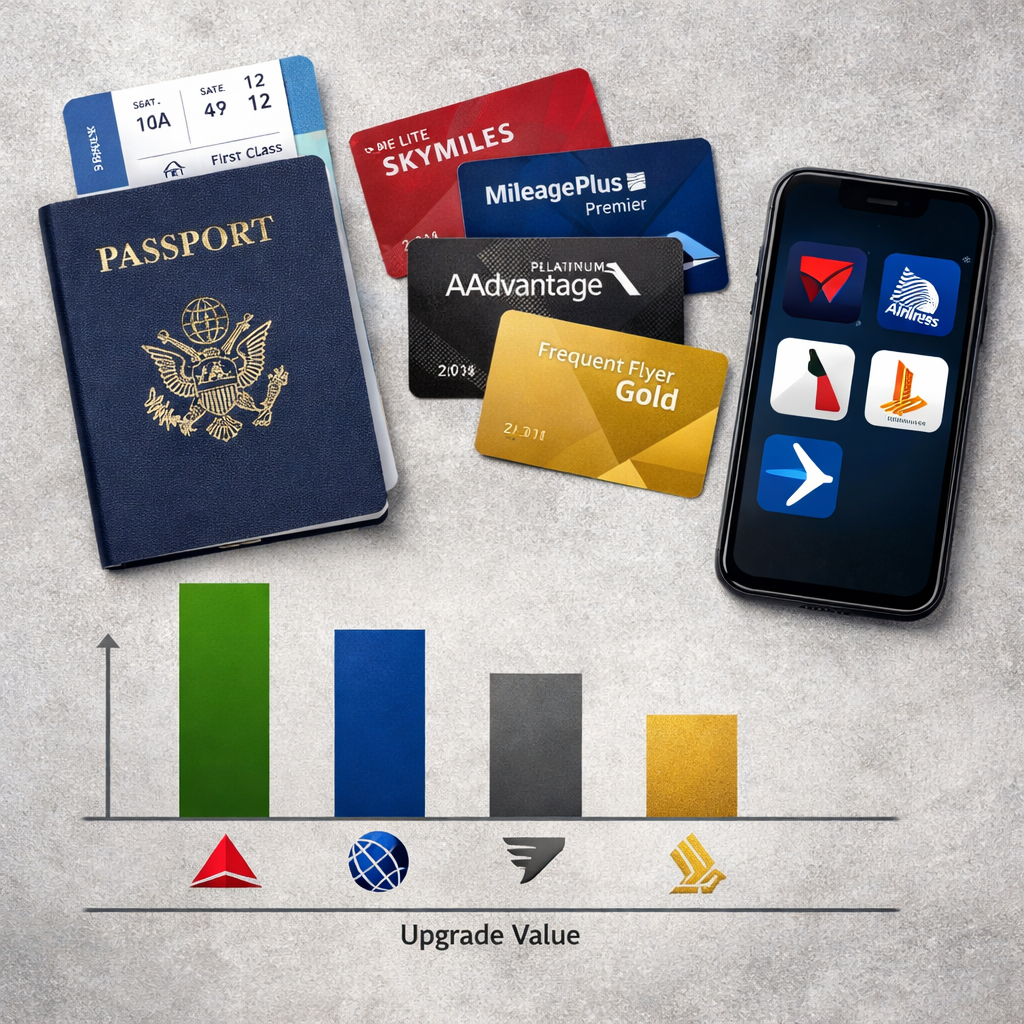
If your goal is to move up a cabin more often, you need a fast, trusted way to compare programs and pick one primary plan (plus a backup) that actually delivers upgrade seats. This Points and Perks Guide answers where to compare trusted frequent flyer programs for travel upgrades, then walks you through a five‑minute decision flow to land on the best fit. We focus on upgrade mechanisms (complimentary vs. certificates vs. miles), alliance reach, and real availability—not just headline perks. Scan our quick decision flow, check the table, pick a primary airline plus alliance, and execute with the booking and card tactics below.
How to choose a program for upgrades
Use this three-step method to reduce noise and find a program that upgrades the way you travel.
- Pick your primary route network
- Start with where you actually fly: your top 5 routes and their nonstop options. United serves roughly 350 destinations directly and 1,290+ via Star Alliance in 200 countries, underscoring how network breadth drives upgrade opportunity (see WalletHub’s program analysis: https://wallethub.com/edu/best-frequent-flyer-program/25943). WalletHub also notes that most large U.S. airlines allow partner earning/redeeming—use that to fill gaps with alliance partners.
- Match the upgrade mechanism to your goals
- Complimentary upgrades shine for domestic business travel. Certificates or special currencies confirm upgrades earlier on long‑haul. Mileage upgrades bridge both, but watch inventory control.
- Validate with alliance reach
- Shortlist 2–3 programs based on your home airport and alliance partners: Star Alliance, oneworld, or SkyTeam. Confirm your routes are covered nonstop or via strong partners with reliable premium space.
Definition: Dynamic pricing is when the miles or cash required for an upgrade fluctuates with demand, route, and inventory rather than staying fixed. It improves seat access but reduces predictability. Delta famously uses dynamic pricing with no blackout dates and variable rates (see Bankrate’s comparison: https://www.bankrate.com/credit-cards/travel/best-worst-frequent-flier-programs/).
Points and Perks Guide quick decision flow
Answer yes/no to land on a primary program and a backup in five minutes. This flow distills our analysis of upgrade rules, alliance coverage, and inventory patterns.
Need domestic complimentary upgrades?
- Yes → Prioritize Delta SkyMiles, American AAdvantage, or Alaska Mileage Plan (clear priority rules, broad domestic networks).
- No → Skip to long‑haul focus.
Need long‑haul premium upgrades (e.g., to business)?
- Yes → Favor United MileagePlus with PlusPoints, or partner‑centric strategies via Air Canada Aeroplan and Singapore KrisFlyer (Star Alliance depth). United’s PlusPoints can confirm into Polaris when upgrade space exists.
- No → Domestic‑first pick stands.
Simplicity more important than cabins?
- Yes → Consider Southwest (early boarding often feels like an upgrade) or JetBlue (flexible redemptions and straightforward rules), as highlighted in this upgrade‑focused overview: https://www.oreateai.com/blog/unlocking-the-skies-the-best-frequent-flyer-programs-for-upgrades/8a2152dfc398c173dc56549b3d39caad.
Stop rule: If your pick doesn’t serve your top five routes nonstop or via strong partners, switch to the next best option in the same alliance.
Comparison criteria for upgrade value
Judge programs on upgrade outcomes, not just glossy perks:
- Upgrade mechanism: complimentary waitlists vs. certificates/special currencies vs. mileage upgrades
- Availability predictability: how early/consistently you can confirm
- Alliance reach: nonstop coverage and partner depth
- Ease of use: clear rules, app tools, and change flexibility
- Mileage expiration: none, activity‑based, or fixed clock
- Credit card accelerators: elite boosts, priority, fee waivers
Definition: Upgrade certificate
A certificate—or special currency such as United PlusPoints—confirms an upgrade on eligible fares/routes when inventory is open, often before departure. It’s usually more predictable than complimentary waitlists but limited in quantity (context in this upgrade guide: https://www.oreateai.com/blog/unlocking-the-skies-the-best-frequent-flyer-programs-for-upgrades/8a2152dfc398c173dc56549b3d39caad).
Common constraints to expect: variable costs from dynamic pricing, limited partner premium space on many routes, and waitlists that can miss even for top elites (see Bankrate’s dynamic pricing overview above; OMAAT’s partner‑space insights: https://onemileatatime.com/guides/best-frequent-flyer-programs/; and this look at loyalty program tradeoffs: https://medium.com/travel-marketing-insights/the-economics-and-psychology-of-airline-loyalty-programs-eddc5caa844d).
Alaska Airlines Mileage Plan
Alaska is a favorite for its clear rules and partner value. It still publishes an award chart and partner awards can start as low as 4,500 miles one‑way, which aids predictability. Independent rankings frequently place Alaska near the top overall, and industry roundups for 2025 cite it as a leading program for everyday flyers (see BoardingArea’s overview: https://boardingarea.com/the-top-rewards-programs-for-frequent-flyers-in-2025/?utm_source=BoardingArea&utm_medium=BoardingArea). Complimentary upgrades for elites are strong on domestic routes, and the interface is straightforward for finding upgrade‑eligible fares.
United MileagePlus
United leads for long‑haul upgrades thanks to alliance breadth and PlusPoints. PlusPoints allow eligible elites to confirm premium‑cabin upgrades, including Polaris on long‑haul flights, when space exists (detailed by The Points Guy: https://thepointsguy.com/loyalty-programs/best-frequent-flyer-programs/). Combine that with United’s scale—350 direct destinations and wide Star Alliance access—and you get more shots at confirmation. United’s site and app make it relatively easy to target flights with the right upgrade inventory.
Delta SkyMiles
Delta delivers a strong domestic experience and flexible inventory. It runs dynamic pricing with no blackout dates and miles that do not expire, which is convenient for infrequent flyers; elites can receive automatic complimentary upgrades when space is available. The trade‑off is variability in mileage costs for premium cabins, so plan to book early and remain flexible when chasing specific routes or peak dates.
American AAdvantage
AAdvantage offers both paid and mileage upgrades across multiple fare classes, giving you options whether you value cash savings or conserving miles. It pairs well with oneworld partners on key routes, though partner premium space can be inconsistent industry‑wide. Dynamic award pricing means upgrade costs flex with demand, improving seat access but reducing planning predictability.
Air Canada Aeroplan
Aeroplan excels for aspirational partner travel and transparent routing. It allows stopovers for 5,000 points and avoids carrier‑imposed fuel surcharges, boosting long‑haul value. Airlines increasingly prioritize award and upgrade space for their own members, so having Aeroplan can help on Star Alliance carriers; it’s particularly useful for complex routings where stopovers widen premium‑cabin options (see One Mile at a Time’s guide: https://onemileatatime.com/guides/best-frequent-flyer-programs/).
Singapore Airlines KrisFlyer
KrisFlyer is the go‑to for premium consistency and straightforward upgrade paths on select routes. You can use miles or cash for upgrades when space is open. Pair KrisFlyer with Star Alliance partners to extend reach, and book early—partner premium space can be tight on high‑demand corridors.
Qatar Privilege Club
Privilege Club shines for travelers loyal to its network across the Middle East, Europe, and Asia corridors. Because it runs on Avios, compare the value of Avios‑based upgrades versus full awards whenever premium space opens. It’s a strong secondary program if you frequently transit Doha and want oneworld coverage.
Turkish Miles and Smiles
Turkish offers value pockets within Star Alliance on select long‑haul and regional itineraries. Cross‑check availability patterns early, consider positioning flights on partners, and use partner search tools; premium space can be limited, so flexibility helps.
Southwest Rapid Rewards
Southwest is simplicity‑first. There’s no traditional first class, but early boarding can mimic an upgrade experience domestically. Points pricing is transparent, change fees are nil, and the focus is on open seating and schedule reliability—great for families and casual travelers who want fewer rules.
JetBlue TrueBlue
JetBlue fits travelers who prioritize comfort in economy and flexible points. TrueBlue points have no blackout dates and do not expire, which supports occasional flyers and last‑minute planners (see USA Today’s 10Best overview: https://10best.usatoday.com/awards/best-frequent-flyer-program/). Pair TrueBlue with a transferable currency to top up balances before peak trips.
Upgrade pricing and availability at a glance
Most major programs now avoid hard mileage expirations; where they exist, activity often resets the clock—plan accordingly (see this program analysis: https://simpleflying.com/frequent-flyer-program-drawbacks-analysis/).
| Program | Pricing model (upgrades/awards) | Complimentary upgrades (who) | Special currency/certs | Mileage expiration | Availability predictability | Alliance/partners |
|---|---|---|---|---|---|---|
| Alaska Mileage Plan | Mostly fixed partner charts | Yes; elites on many domestic fares | Limited guest upgrade certs | Activity-based | Medium–High domestically | oneworld |
| United MileagePlus | Dynamic on UA; partners vary | Yes; elites on domestic/short-haul | PlusPoints (confirm when open) | None | High with PlusPoints; variable on comps | Star Alliance |
| Delta SkyMiles | Dynamic; no blackout dates | Yes; Medallions when space exists | Regional/Global certs for high elites | None | Medium; dynamic costs vary | SkyTeam |
| American AAdvantage | Dynamic with web specials | Yes; elites on many domestic routes | Systemwide upgrades (top tier) | Activity-based | Medium; route dependent | oneworld |
| Air Canada Aeroplan | Hybrid charts; dynamic on AC | Not typical; eUpgrades via AC elite status | eUpgrade credits (AC elites) | Activity-based | Medium; strong partner reach | Star Alliance |
| Singapore Airlines KrisFlyer | Chart-based on SQ; partners vary | Rare; mostly paid or mileage upgrades | None unique beyond miles | Fixed validity (hard expiry) | Medium on SQ; partners tighter | Star Alliance |
| Qatar Airways Privilege Club | Avios-based; variable | Limited; focus on paid/mileage upgrades | Avios upgrades | Activity-based | Medium; route dependent | oneworld |
| Turkish Miles&Smiles | Chart-based; surcharges vary | Limited; focus on mileage upgrades | None unique beyond miles | Fixed validity (fee to extend) | Medium; plan early | Star Alliance |
| Southwest Rapid Rewards | Dynamic revenue-linked | N/A (no first class; early boarding useful) | None | None | High for seats; no cabins | Independent/partners |
| JetBlue TrueBlue | Dynamic revenue-linked | Limited; Mosaic perks on Even More Space | None | None | High for economy; premium limited | Independent/partners |
Best programs by traveler type and route pattern
- Domestic frequent travelers seeking complimentary upgrades: Delta, Alaska, American.
- Long‑haul aspirational upgrades with partner reach: United (PlusPoints), Aeroplan, KrisFlyer.
- Simplicity‑first families: Southwest, JetBlue.
Why: United’s network scale multiplies upgrade shots; Aeroplan’s 5,000‑point stopovers expand routing options; and partner premium space is constrained across alliances, so program choice and flexibility matter (network data and partner dynamics cited above).
Credit card strategies that improve upgrade odds
- Use cobranded airline cards to accelerate miles, boost priority with status earning, and add tangible perks like a free checked bag and no foreign transaction fees.
- Avoid buying miles unless necessary. WalletHub’s analysis found purchased miles often cost roughly 2.6× more than earning through flying and cards (see WalletHub’s methodology linked above).
- Application sequencing: map the last 24 months of new accounts, prioritize Chase 5/24 approvals before other issuers, then align your card ecosystem with your chosen airline and alliance.
Booking tactics to lock upgrades sooner
Follow this five-step flow for earlier confirmations and fewer surprises:
- Search early and target flights that historically show upgrade space.
- Choose upgrade‑eligible fare classes (some deep discount fares won’t qualify).
- Apply certificates or PlusPoints immediately when confirmable inventory appears.
- Set alerts for partner space and be flexible on dates/routings as dynamic pricing shifts.
- Monitor the waitlist and recheck inventory—upgrades clear by status, fare, and value.
Definition: Waitlist
An ordered queue for upgrades when no confirmable seats are available; position improves with status, fare class, and overall customer value, and even top tiers aren’t guaranteed (see this loyalty economics explainer: https://medium.com/travel-marketing-insights/the-economics-and-psychology-of-airline-loyalty-programs-eddc5caa844d).
Pro tip: Many U.S. airlines allow retroactive crediting of flights for months after travel—ensure every segment posts to bolster status and future upgrade priority.
Bottom line recommendations
- Long‑haul business upgrades: United MileagePlus with PlusPoints for confirmations or Air Canada Aeroplan for broad Star partner access.
- Domestic complimentary upgrades: Delta or Alaska, thanks to clear elite windows and strong route coverage.
- Simplicity and family travel: Southwest or JetBlue for flexible redemptions, early boarding strategies, and fewer blackout complexities.
Pick one primary airline plus alliance, align your cards, then follow the five‑minute flow to target routes with historically better upgrade space. If you’re undecided, use Points and Perks Guide’s table and decision flow to break ties based on your routes.
Frequently asked questions
Which programs give the most reliable complimentary upgrades?
Large U.S. programs with broad domestic networks and clear elite windows tend to be most reliable; results vary by route and status. Use Points and Perks Guide’s route-based comparison to narrow it.
How do upgrade certificates and special currencies work?
Airline-issued certificates or special credits can confirm an upgrade on eligible fares when inventory is open. They’re limited but more predictable than complimentary waitlists, best deployed on longer, high‑value routes.
Are mileage upgrades better value than saving for award tickets?
It depends on route and cabin. If a mileage upgrade confirms into business on a pricey fare, it can beat a full award; when space is scarce or pricing is volatile, saving for an outright award can be safer.
Do I need elite status to get upgrades?
No. Many programs allow paid or mileage upgrades without status, but elites get earlier windows and higher priority; certificates or special currencies can sometimes bypass the waitlist.
What is the fastest way to improve my upgrade position?
Concentrate flying in one program, add the cobranded card, and book upgrade‑eligible fares early. Use Points and Perks Guide’s five‑minute flow to pick an airline + alliance and target routes with historically better space.