Best Flexible Points Credit Cards Compared Side-by-Side for Real Value
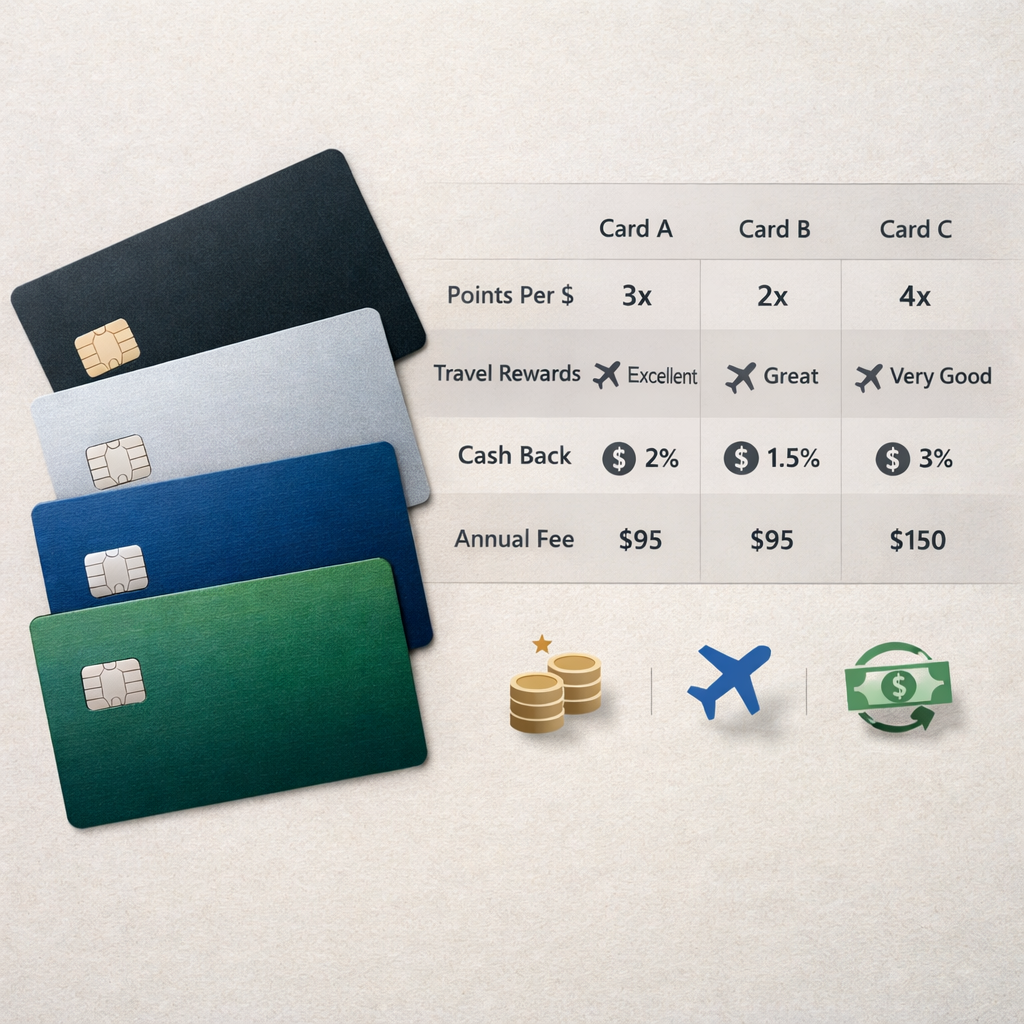
Best Flexible Points Credit Cards Compared Side-by-Side for Real Value
Flexible points credit cards earn rewards you can move to multiple airlines and hotels or use like cash through issuer portals—making it easier to find seats, avoid devaluations, and squeeze more value from every dollar. Below, Points and Perks Guide compares the best points earning credit cards with flexible points side-by-side and translates the trade-offs into fast picks. Whether you want a simple 2x‑everywhere setup or premium perks and lounges, you’ll see how the major ecosystems stack up, what partners matter, and when to book via portal versus transfer. Use our tables and five-minute decision flow to choose a card you’ll actually maximize—without the fluff.
Quick answer and who this guide is for
Compare vetted flexible-points cards here with our side-by-side tables and five-minute decision flow from Points and Perks Guide, designed for beginners and advanced optimizers.
This guide is for travel‑curious beginners, value-focused families, and savvy points collectors who want transfer flexibility and clear trade-offs. If you’ve been searching to compare trusted points earning credit cards in one place, you’ll find a crisp side-by-side comparison of flexible points credit cards plus a simple path to your best-fit pick.
How we compare flexible points cards
Our rankings prioritize real, repeatable value you can capture in under a year. We weigh:
- Transfer partners and ratios (especially 1:1), including partner quality and breadth.
- Earning speed by category (flat 2x‑everywhere vs. dining/travel/grocery multipliers).
- Redemption paths—portal bookings, 1:1 transfers, and statement credits—to keep options open when award space is tight.
- Perks versus annual fee, quantifying break-even with realistic use.
Most travel credit cards charge annual fees ranging from $0 to $500+, so we size cards to likely usage and show how to offset costs with credits and protections (source: CompareCards’ travel credit cards overview). Points and Perks Guide refreshes this guide regularly using issuer terms and publicly available partner lists and perks. Always confirm current benefits with the issuer before applying.
What flexible points mean for real value
Flexible points (also called transferable points) are rewards you can move to multiple airline or hotel partners—often at 1:1—or redeem through an issuer’s travel portal or as statement credits, letting you book almost any travel and pivot when award seats or prices change (see NerdWallet’s guide to points vs. miles). Flexibility amplifies choice: one transferable balance can access award seats across many airlines and alliances—some programs can book with 50+ airlines—so you’re not stuck waiting on one calendar (as explained by Prince of Travel on why flexible points matter). In contrast, single-airline cards can be valuable for perks but confine your miles to one program that can devalue or lack space.
Comparison criteria
Use these factors to scan and decide:
- Transferability: number and quality of airline/hotel partners and 1:1 ratios—the main driver of upside.
- Earning rates: flat 2x‑everywhere simplicity vs. category accelerators (dining, travel, groceries).
- Redemption flexibility: portal booking, 1:1 transfers, and statement credits to book anywhere when award seats are scarce.
- Perks vs. fee: travel credits, lounges, protections, and security program credits (TSA PreCheck/Global Entry) you can actually use. Expect annual fees from $0–$500+ and prioritize perks that auto-apply or take minimal effort (see TPG on travel card pros and cons).
Side-by-side card comparison
Scan the table to shortlist your match.
| Card | Annual Fee | Transfer Partners / Key Ratios | Top Earning Categories | Redemption Options (Portal / Transfer / Statement Credit) | Key Perks | Best For |
|---|---|---|---|---|---|---|
| Chase Sapphire Preferred | Mid-tier | 1:1 to United, Southwest, British Airways, Marriott, Hyatt | Travel, dining | Yes / Yes / Limited | Strong travel protections; broad 1:1 partners | Beginners seeking first high‑value transfer redemptions |
| Chase Sapphire Reserve | Premium | Same ecosystem as above with 1:1 partners | Travel, dining | Yes / Yes / Limited | Premium travel credit, lounges (network varies), top-tier protections | Frequent travelers optimizing credits and lounge access |
| Amex Platinum (Membership Rewards) | Premium | Multiple 1:1 airline transfers (e.g., Aeroplan, Avios, Flying Blue) | Airfare booked with Amex, some travel | Yes / Yes / Limited | Centurion Lounge access, airline/other credits | Luxury travelers and lounge regulars |
| Amex Gold (Membership Rewards) | Mid-tier | Same MR partners, frequent 1:1 airline transfers | Dining, groceries | Yes / Yes / Limited | Dining-centric credits; strong everyday earn | Dining/grocery power earners |
| Capital One Venture | Mid-tier | 15+ transfer partners, many 1:1; 2x miles everywhere | Everything (flat rate) | Yes / Yes / Yes | TSA PreCheck/Global Entry credit; simple 2x | Set‑and‑forget earners who want transfers (see TPG’s travel credit cards hub) |
| Capital One Venture X | Premium | 15+ transfer partners, many 1:1 | Everything (flat rate) | Yes / Yes / Yes | Lounge access, travel credits, strong protections | Heavy travelers wanting simple earn + rich perks |
| Capital One VentureOne | No fee | Access to same partners (slower earn) | Everything (flat rate) | Yes / Yes / Yes | No annual fee with full transfer access | Fee‑averse starters learning transfers |
| Citi Strata Premier (ThankYou) | Mid-tier | Mix of 1:1 airline partners (e.g., Avianca LifeMiles, Turkish, Flying Blue, KrisFlyer) | Travel, dining, supermarkets | Yes / Yes / Limited | Category strength with broad airline mix | Balanced earners who transfer opportunistically |
| Wells Fargo Autograph Journey | Mid-tier | Growing set of partners (validate in-app) | Travel-centric categories | Yes / Yes / Limited | Solid travel protections; emerging ecosystem | Travelers open to a newer program |
Pro tip: If you want a deeper dive into transfer-first strategy, see our Earn Once, Redeem Anywhere playbook at Points and Perks Guide.
Transfer partners and ratios
Partner depth and 1:1 ratios drive redemption upside. Highlights:
- Chase Ultimate Rewards: United, Southwest, British Airways, Marriott, Hyatt (frequent 1:1).
- Amex Membership Rewards: multiple 1:1 airline transfers including Aeroplan, Avios, and Flying Blue (Ratehub’s rewards guide notes frequent 1:1 options).
- Capital One Miles: 15+ airline/hotel partners with many 1:1 ratios.
- Citi ThankYou: strong airline coverage (e.g., Avianca LifeMiles, Turkish, Flying Blue, KrisFlyer).
- Bilt Rewards: growing list including major U.S. and global carriers and Hyatt.
Transferable points can reach flights across alliances via partner networks, broadening your award seat options (per Prince of Travel on why flexible points matter).
| Ecosystem | Example 1:1 Partners | Notable Angle |
|---|---|---|
| Chase UR | United, Southwest, British Airways, Hyatt | Easy domestic/international mix + Hyatt sweet spots |
| Amex MR | Aeroplan, Avios, Flying Blue | Frequent 1:1 airline transfers for premium cabins |
| Capital One Miles | Aeroplan, Avios, Flying Blue, Turkish | Simple earn + wide partner net |
| Citi ThankYou | Avianca LifeMiles, Turkish, KrisFlyer | Star Alliance depth; good long‑haul awards |
| Bilt Rewards | American, United, Hyatt, Aeroplan | Unique U.S. airline access for renters |
Earning rates and everyday spend fit
- Flat-rate simplicity: Capital One Venture earns 2 miles per dollar on all purchases and connects to 15+ partners—great when you don’t want to track categories (TPG’s travel credit cards hub).
- Category accelerators: Amex Gold and Amex Cobalt (Canada) are standouts for dining and groceries, pairing rich multipliers with flexible 1:1 airline transfers in many cases (Ratehub’s rewards guide).
Quick estimator:
- Simple path: $1,300/month in mixed spend on a 2x‑everywhere card ≈ 31,200 miles/year.
- Category path: If your dining/grocery blend averages 3–4x, the same $1,300 could net roughly 46,800–62,400 points/year—often worth the extra management.
Redemption flexibility and portal value
Issuer portals let you book travel with points at a fixed rate; transfers move points to airlines/hotels for potentially higher value; statement credits let you book anywhere, then erase with points (see NerdWallet’s guide to points vs. miles). Use this flow:
- Check partner award availability.
- Compare portal cash price in points.
- If both are weak or you booked direct, consider a statement credit.
General-purpose travel cards blend cash‑like use and transfers so you can adapt when award space is scarce (see NerdWallet’s best travel cards).
Perks versus annual fee trade-off
- Expect fees from $0–$500+; size your card to your actual use (CompareCards’ travel overview).
- Premium inclusions often cover the fee: Global Entry/TSA PreCheck credits, annual travel credits, lounges, and strong protections that may auto‑apply (TPG on pros and cons).
- Value math example: fully utilized premium benefits can reach into the thousands; in some scenarios, Sapphire Reserve‑style packages can exceed $2,700 in potential annual perks if maximized (per TPG’s travel credit cards hub).
Mini checklist:
- Lounge visits/year you’ll realistically take.
- Travel credit utilization rate.
- Bag fees saved and trip protections used.
- How often you redeem points at strong cents‑per‑point.
Recommendations by traveler profile
Beginners seeking first high-value redemption
Start with a Sapphire‑style mid‑tier transferable card: easy earning on travel/dining, clear 1:1 partners (United, Southwest, British Airways, Marriott, Hyatt), and strong protections. Chase’s 5/24 policy means starting in this ecosystem preserves future options for many applicants (see AwardWallet’s flexible points roundup). First redemption: earn the welcome bonus → price your target trip via transfer and portal → book the better value.
Frequent travelers maximizing lounge and credits
Choose a premium card bundling lounges, annual travel credits, and security screening credits that require minimal effort to use. If you’ll take multiple trips, premium packages can deliver four-figure annual value; in best‑case usage, Sapphire Reserve‑style benefits can top $2,700 in potential value. Align credits to real trips for >100% fee payback.
Simple earners who want set-and-forget rewards
Pick a 2x‑everywhere transferable card like Capital One Venture with 15+ partners for broad access and minimal tracking. Default to portal or statement credit when partner awards aren’t available; transfer only when you find a clear sweet spot.
Dining and groceries power earners
Use Amex Gold (U.S.) or Amex Cobalt (Canada) for elevated multipliers on dining/groceries with flexible airline transfers (often 1:1) that unlock premium cabins (Ratehub’s rewards guide). Map your monthly spend and set a quarterly reminder to sweep balances to the best partner for upcoming trips.
No-fee or low-fee flexible starters
Try Capital One VentureOne for rare no-annual-fee access to transfers. You’ll earn slower and skip premium perks, but you keep full transfer optionality while learning. Upgrade later to a mid‑tier or premium product when your travel ramps up.
Program ecosystems to know
Chase Ultimate Rewards
Why it matters: reliable 1:1 partners plus excellent protections. Sapphire Preferred is a classic starter; it transfers to United, Southwest, British Airways, Marriott, and Hyatt. Consider the 5/24 timing strategy before opening non‑Chase cards (AwardWallet’s flexible points roundup). Pair with category earners, then move points into your Sapphire to transfer.
American Express Membership Rewards
Why it matters: powerhouse category earn with frequent 1:1 airline transfers for higher redemption value (Ratehub’s rewards guide). Premium MR cards add lounges and annual credits (TPG on pros and cons). Best for dining/grocery optimizers and premium-cabin aspirants who will transfer to airline partners.
Capital One Miles
Why it matters: simplicity with 2 miles per dollar on everything and 15+ transfer partners; VentureOne is a rare no‑fee transfer card (TPG’s travel credit cards hub). Ideal for set‑and‑forget earners who still want partner access. Use statement credits when direct bookings beat portal prices (per NerdWallet’s points vs. miles guidance).
Citi ThankYou
Why it matters: strong category earn with broad airline partners post‑updates (AwardWallet’s roundup). Best when you’ll compare cash vs. partner awards and transfer only when the partner deal wins—e.g., a transcon where a Star Alliance partner beats portal pricing.
Bilt Rewards
Why it matters: renters can earn on rent payments (on designated rent day promos) while keeping transfer flexibility. Partners include major U.S. and global carriers and Hyatt. Always confirm the partner list and ratios before transferring.
Decision flow in five minutes
- Are you loyal to one airline and value bag/boarding perks? If yes, consider a co‑brand; if no, choose flexible points.
- Need simplicity? Pick a 2x‑everywhere transferable card.
- Spend heavily on dining/groceries? Choose a category accelerator (e.g., Amex Gold/Cobalt).
- Fly often/use lounges? Consider premium with credits and TSA/Global Entry.
- For your next trip: compare partner award vs. portal vs. statement credit; pick the best value.
You’re best matched to [Card Type] because [top 2 reasons]. Use Points and Perks Guide’s five‑minute decision flow above to fill in the bracketed line.
Points and Perks Guide short list and why
- Capital One Venture (Best simple earner): 2x on everything with 15+ partners, easy portal/statement credits, and a security screening credit—ideal when you want flexible redemptions without juggling categories.
- Sapphire‑style mid‑tier (Best beginner value): Transfer to United/Southwest/BA/Marriott/Hyatt with strong protections; straightforward path to a first high‑value transfer redemption.
- Chase Sapphire Reserve (Best premium all‑around): Pairs 1:1 partners with lounges, rich protections, and annual travel credits; in max‑use scenarios, benefits can exceed $2,700 in potential value.
- Amex Gold (Best dining/groceries): High earn on everyday categories with MR’s frequent 1:1 airline transfers; great for families who cook and dine out.
- Capital One VentureOne (Best no‑fee transfer starter): Keep full transfer optionality at $0 annual fee; upgrade when travel frequency grows.
When a co-branded airline card is better
Travel points cards usually skip airline‑specific perks like free checked bags and early boarding; co‑brands often include them, saving real cash. With checked bags around $35 each, a couple can save roughly $140 on a round trip with free bags alone. The trade-off is program lock‑in and devaluation risk; flexible points avoid being trapped (framework adapted from NerdWallet’s guide to points vs. miles).
Frequently asked questions
What makes points flexible and why do they beat fixed-value rewards?
Flexible points transfer to many airlines/hotels—often at 1:1—or redeem through issuer portals and statement credits. That optionality helps you find better award seats and extract higher value versus fixed 1¢ redemptions, and Points and Perks Guide shows when each path wins.
How do I estimate cents per point before I apply?
Price your target trip in cash and in points via transfer and portal, then divide cash price by points needed to get cents per point. Points and Perks Guide’s five-minute flow helps you compare options and choose the higher figure after confirming availability.
Are premium annual fees worth it if I do not use lounges?
Premium cards can still be worth it if you fully use annual travel credits and protections; if lounges sit unused, choose a mid‑tier card with strong partners and lower fees. Use Points and Perks Guide’s mini checklist above to gauge your payback.
Is a 2x-everywhere card better than category bonus cards?
If you want simplicity, 2x‑everywhere wins. Points and Perks Guide’s decision flow steers simplicity seekers to 2x and heavy dining/grocery spenders to category cards.
Should I transfer points or book through the issuer portal?
Compare both every time. Points and Perks Guide recommends transferring when partner awards offer higher value and using the portal or statement credit when cash fares are low or award space is scarce.