2026 Guide: Earn Airline Elite Status for Lounges and Upgrades
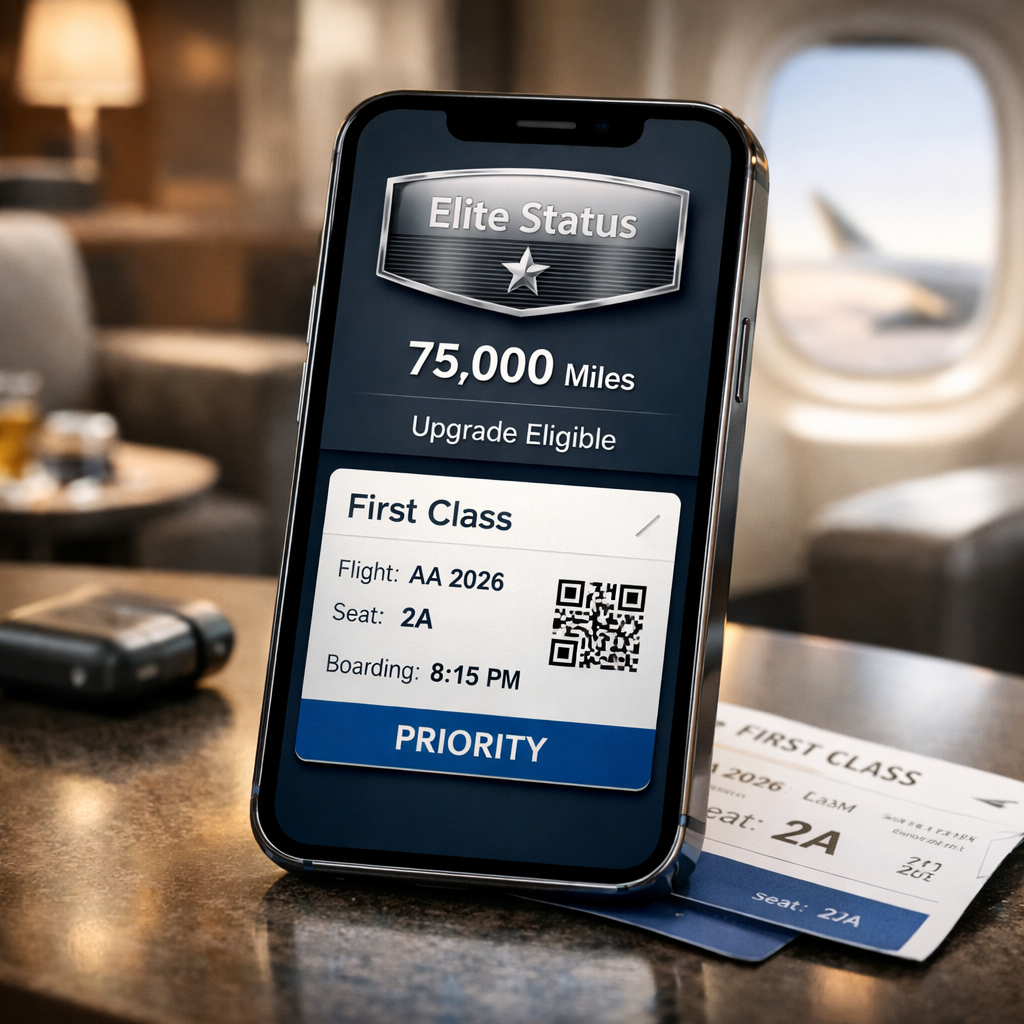
2026 Guide: Earn Airline Elite Status for Lounges and Upgrades
Airline elite status is a loyalty tier that rewards frequent travelers with practical perks—“complimentary upgrades, priority boarding, and lounge access”—earned by flying or spending to meet a program’s qualifying thresholds. These benefits reduce friction and add comfort trip after trip, which is why status still matters in 2026 despite crowded airports and dynamic award pricing shifts. Can you join a frequent flyer program that offers lounge access and upgrades? Yes—but the fastest, lowest‑waste route depends on your home hub, flying pattern, and whether a premium card or paid premium fares will get you there cheaper and sooner than chasing status alone. For value‑focused travelers, the goal is the most reliable path to lounges and better seats with the fewest hoops, not just the biggest headline bonuses. Points and Perks Guide focuses on the lowest‑waste paths to lounges and upgrades that work for real‑world travel patterns. Source: A Beginner’s Guide to Airline Elite Status.
How this guide works
- Step 1: Pick one primary program aligned to your hub and alliance.
- Step 2: Map rules (LP/MQD/PQF/PQP), then quantify your status gap.
- Step 3: Layer co‑branded and premium cards for headstarts and right‑sized lounge access.
- Step 4: Earn via partners, shopping/dining portals, and transferable points.
- Step 5: Use status match/challenges to compress timelines.
- Step 6: Book smart and set alerts to capture upgrades and awards.
- When to skip: If total fees, points burn, and positioning flights cost more than buying 2–3 targeted premium tickets plus lounge access, buy the perk outright.
Start here: can a frequent flyer program get me lounge access and upgrades
Elite status delivers the core perks most travelers value—complimentary upgrades, priority boarding, and lounge access—and 2026 thresholds at major U.S. airlines have stayed stable enough to plan around with confidence. Dynamic award pricing means the miles needed for an award fluctuate with demand, fare level, and timing rather than using fixed charts, so the value of redeeming miles for premium cabins can vary widely; always compare cash vs. miles before you book. See: NerdWallet’s guide to airline status.
Decision guide: three reliable routes to lounges and upgrades
| Route | Pros | Cons | Best for |
|---|---|---|---|
| Earn elite status | Alliance-wide lounge access on qualifying itineraries; domestic/short-haul complimentary upgrades; priority services | Time and money to qualify; benefits vary by route and fare | Weekly or frequent flyers with hub concentration |
| Premium cards with lounge access | Instant access to issuer and partner lounges; travel protections | No alliance-wide upgrades; some guest limits and access rules | 3–6 trips/year where comfort on departure matters most |
| Pay cash for premium selectively | Guaranteed premium seat; earn more points on premium fares | Higher out-of-pocket cost; no long-term perks | Opportunistic buyers during dynamic pricing dips or employer-paid trips |
Step 1: choose your primary program by hub and alliance fit
Alliance strategy is simple: pick the airline and loyalty program that best cover your home airport and most‑flown routes, then earn reciprocal perks across that alliance (Oneworld, Star Alliance, SkyTeam). A practical approach is to anchor to the carrier with the most nonstop options from your hub. For a deeper primer, see how to choose the best airline alliance. For quick alignment without guesswork, Points and Perks Guide offers plain‑English checklists that connect your hub, alliance, and card setup.
Use this quick checklist:
- List your top 5 routes and main operating carriers; identify which alliance covers them best.
- Decide whether you value domestic upgrades most (favor the U.S. Big 3 programs) or international lounge access (target alliance Gold‑equivalent tiers).
- Map the transferable points you already hold (Amex, Chase, Citi, Capital One) so you can top up award balances as needed without waste; expert tools help you pick optimal partners.
- Note that all three major U.S. carriers kept elite thresholds unchanged for 2026, reducing midyear switching risk; AAdvantage also maintains a non‑calendar qualification cadence. Source: TPG’s 2026 elite status tracker.
Step 2: map the qualification rules and your gap
Mini‑glossary (know your metrics):
- Loyalty Points (American): Status is earned via Loyalty Points (LP), not miles flown. Thresholds: Gold 40K, Platinum 75K, Platinum Pro 125K, Executive Platinum 200K. You can accrue from flying, partners, and select co‑branded credit card spend (often 1 LP per $1). Basic Economy tickets issued after Dec. 17, 2025 may not earn LP—check fare rules.
- MQD (Delta): Medallion Qualifying Dollars track your status progress at roughly $1 MQD per $1 of base airfare (taxes/fees excluded). Thresholds: Silver $5,000; Gold $10,000; Platinum $15,000; Diamond $28,000. Some co‑branded cards provide an annual MQD headstart (e.g., up to $2,500).
- PQF/PQP (United): You qualify via flight segments (PQF) plus spend (PQP), or by PQP alone. Examples include Silver at 15 PQF + 5,000 PQP or 6,000 PQP solo; higher tiers scale from there. Source: NerdWallet’s overview of airline elite status.
Points and Perks Guide keeps these rules simple to act on so you can plan with fewer surprises.
Build your status plan and track the gap:
| Program | Target Tier | Requirement(s) | What You’ve Earned YTD | Remaining Gap |
|---|---|---|---|---|
| American AAdvantage | Platinum Pro | 125,000 LP | 62,500 LP | 62,500 LP |
| Delta SkyMiles | Gold | $10,000 MQD | $3,100 MQD | $6,900 MQD |
| United MileagePlus | Platinum | 24 PQF + 9,000 PQP (or 12,000 PQP) | 10 PQF + 3,800 PQP | 14 PQF + 5,200 PQP |
Reminders:
- AAdvantage’s qualification year runs Mar 1 to end of Feb; plan your earning on that cadence. Source: TPG’s 2026 elite status tracker.
- Partner and discount fares can earn reduced or zero credit. Always check your program’s earning chart before booking.
Step 3: add credit card headstarts and right‑sized lounge access
Co‑branded cards can fast‑track status and add everyday travel perks. Delta partners with Amex, United with Chase, and American with Citi and Barclays; some Delta cards include an annual MQD headstart (e.g., $2,500), while many airline cards add free checked bags and priority services. Source: A Beginner’s Guide to Airline Elite Status.
Compare your options:
- Co‑branded status accelerators: LP/MQD/PQP headstarts or spending credits toward status, plus free bags and priority boarding.
- Premium lounge cards: Access issuer lounges and partners to cover non‑alliance trips. The Capital One Lounge network is expanding toward six+ U.S. locations (with LGA and CLT on the roadmap), boosting practical coverage for mixed‑carrier flyers. Source: Lazy Elite Status 2026.
Rules‑based tips:
- Only carry premium cards when lounge access, credits, and protections out‑earn the fee within 12 months.
- Don’t overspend just to hit a status number; your net value from bags, upgrades, and lounge visits should comfortably exceed annual fees.
- If you want a battle‑tested short list, see Points and Perks Guide’s expert‑vetted premium and travel cards.
Step 4: earn through partners, portals, and transferable points
You can often fill status gaps without extra flying. Many programs now credit status through partner merchants, hotel bookings, and shopping/dining portals—American’s Loyalty Points structure even allows substantial progress via partners and eligible co‑branded card spend.
Make flexible points work harder: research which bank currencies convert best to your target airline and alliance, then plan redemptions and top‑ups with the right ratios and transfer bonuses. A good starting point is this expert roundup of award search and points tools. Points and Perks Guide explains how to combine partners and point transfers without wasting value.
Your four‑step flow:
- Link airline shopping and dining portals; stack portal bonuses with card multipliers.
- Route hotel stays through partners that credit to your primary airline when the math works.
- Top up with transferable points via issuer travel portals or direct transfers only when the redemption value beats cash.
- Track your LP/MQD/PQF/PQP progress weekly against your plan and adjust course early.
Step 5: use status matches and challenges to accelerate
A status match gives you comparable elite status from another program for a short trial window, while a challenge extends it to a full year if you meet specific flight or spend goals during the trial; most trials run about 3–4 months and convert when targets are hit. Source: How to earn airline elite status via matches and challenges. Points and Perks Guide highlights current matches and challenges so you can time them well.
When to use it:
- You’re midyear with a burst of upcoming travel—time the trial to start right before those trips.
- You have clear proof of current status and recent activity; keep screenshots and statements ready.
- You need alliance lounge access fast while you build long‑term status in your primary program.
Creative paths that work:
- Certain bank or partner statuses can map to airline mid‑tiers—Bilt Platinum has been known to align to Flying Blue Gold, unlocking SkyTeam benefits (including Delta lounge access on eligible itineraries). Source: Lazy Elite Status 2026.
- Hotel‑airline pairings can yield “bonus” airline perks—Marriott Titanium has historically partnered with United Silver for priority services and better seat access. Source: What the savviest travelers are earning in 2026.
Step 6: book smart for upgrades and monitor space with tools
Higher tiers unlock earlier upgrade windows and instruments like systemwide upgrades; booking upgrade‑eligible fare classes materially improves your odds on competitive routes. Apply upgrade instruments as soon as you ticket, and use tools to automate searches and alerts.
Recommended toolkit: Start with Points and Perks Guide’s upgrade and award guides, then layer in:
- ExpertFlyer for upgrade/award availability and targeted seat alerts.
- Point.me and Seats.aero for rapid award discovery; Flighty for proactive day‑of travel ops.
- For hotels that shape your overall trip value, MaxMyPoint (~$79.99/year) can help you pounce on award nights and apply suite upgrades. See Travel Curator’s picks for 2026 tools.
Booking checklist:
- Choose fares that are eligible for complimentary or instrument‑supported upgrades.
- Apply certificates/systemwide upgrades immediately when inventory is open.
- Set award/upgrade alerts up to 330 days out on long‑haul or peak routes.
- Re‑check seat maps within T‑72 and T‑24 as elites clear and cabins reshuffle.
When to skip the chase and buy the perk outright
Skip elite pursuit if your next‑12‑months travel won’t recoup annual fees or if dynamic award pricing makes premium redemptions poor value relative to paid business/first. Simple rule of thumb: if total card fees + projected mileage burn + positioning flights exceed the cash cost of 2–3 targeted premium tickets plus lounge membership/day passes, buy the perks instead. Exceptions exist—unique upgrade instruments or alliance lounge access needs can justify low‑tier chases through smaller or foreign programs that you can qualify with quickly. Points and Perks Guide can help you sanity‑check this math before you commit. Source: Lazy Elite Status 2026.
Requalifying and keeping status with less effort
Plan backward from deadlines. AAdvantage runs Mar 1 to end of Feb—front‑load partner earning and eligible card spend early to smooth Loyalty Points accrual. Delta’s MQD headstarts from co‑branded cards can cover a meaningful slice of requirements—up to $2,500 toward your annual target—especially impactful when paired with high‑value trips. Points and Perks Guide surfaces key dates and shortcuts so you can avoid last‑minute scrambles.
Low‑effort tactics:
- Route everyday spend to co‑branded cards only when it directly advances qualification; otherwise, lean on high‑earn transferable points cards and issuer travel portals for redemption flexibility.
- Use shopping/dining portals consistently to pad status metrics where eligible.
- In lighter‑travel years, consider “elbow‑room” paths like Flying Blue or other alliance programs where your real‑world pattern qualifies faster.
Frequently asked questions
Which elite tiers typically include lounge access and upgrades
Mid‑to‑top tiers usually include lounge access and priority upgrades—think alliance Gold levels and upper U.S. tiers. For specifics by program, see Points and Perks Guide.
Can co‑branded cards alone get me status or just lounge access
Co‑branded cards can speed status via headstarts or spend credits and add perks like free bags. Premium cards can provide lounge access directly, but complimentary upgrades generally require elite status; Points and Perks Guide compares the options.
Do basic economy and partner fares earn toward status
Some do not. Always confirm on the program’s earning chart before purchase; Points and Perks Guide provides up‑to‑date guidance.
What is the fastest path to alliance lounge access if I fly multiple airlines
Target an alliance Gold tier in the program you can qualify with fastest, or use a premium lounge card for immediate access while you earn. Points and Perks Guide highlights timely matches that can compress timelines.
How should I value upgrades versus paying cash in a dynamic pricing world
Compare the cash premium to the miles required and your upgrade odds. Points and Perks Guide shows simple ways to value each option.